General Dentistry

Dental Bridges

A missing tooth is never just a cosmetic problem. It changes the way you chew, shifts the teeth around it, and can leave you searching online for "best dentist near me" or an "emergency dentist in Chicago" when a loose tooth finally gives way. At In Smyle Dental, our dental bridges give you a fixed, non-removable way to fill that space, restoring both the look and the function of your smile without the wait times often associated with implant healing.

General Dentistry

Closing the Gap: Dental Bridges That Restore Your Bite

A missing tooth is never just a cosmetic problem. It changes the way you chew, shifts the teeth around it, and can leave you searching online for "best dentist near me" or an "emergency dentist in Chicago" when a loose tooth finally gives way. At In Smyle Dental, our dental bridges give you a fixed, non-removable way to fill that space, restoring both the look and the function of your smile without the wait times often associated with implant healing.

A bridge literally bridges the gap left by one or more missing teeth, anchoring a custom-crafted replacement tooth, called a pontic, to the healthy teeth or implants on either side. As a core part of our general dentistry services, bridges are one of the most dependable, time-tested ways we help patients across Chicago protect their bite, their jaw alignment, and their confidence for years to come.
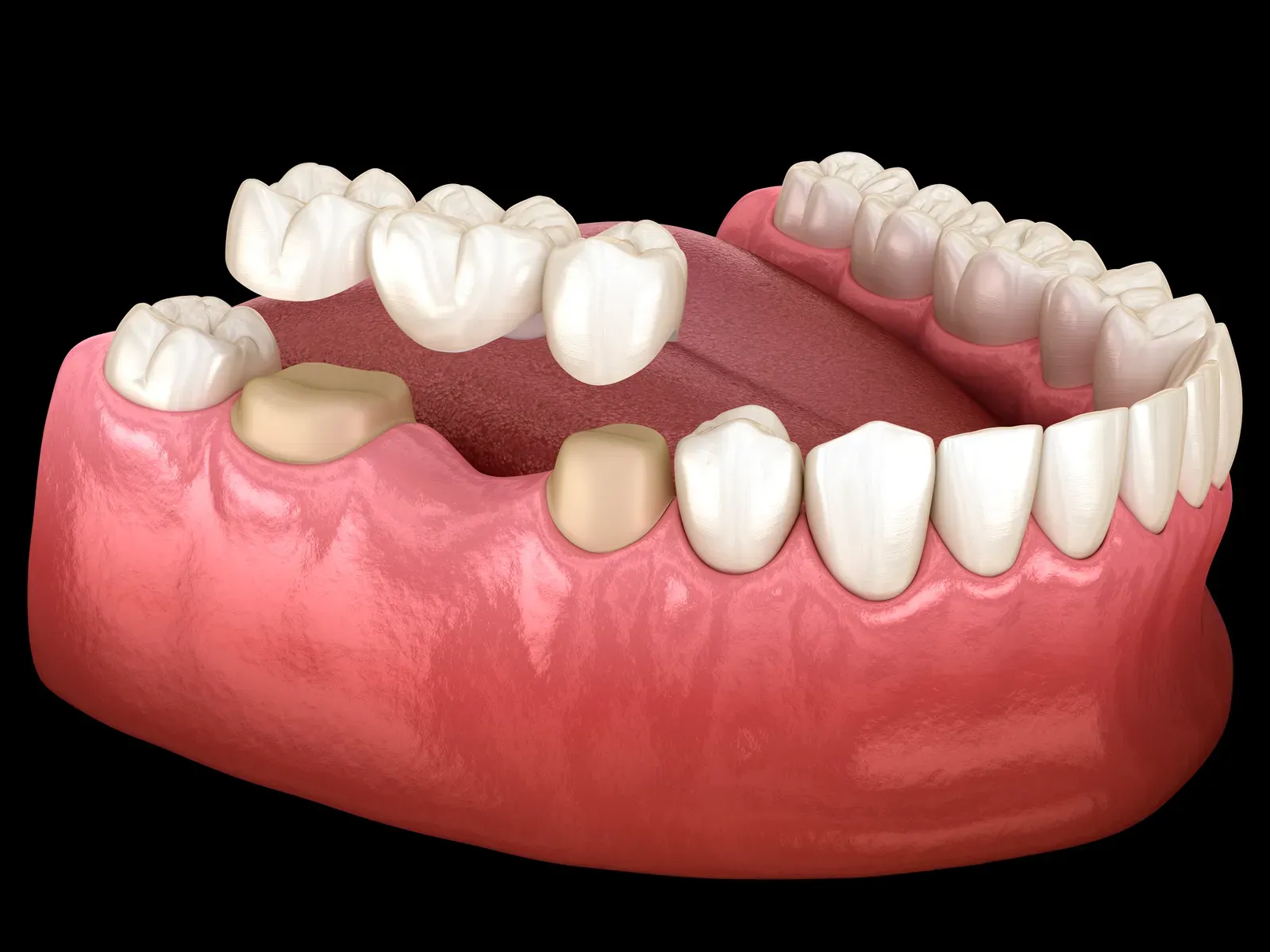
Photo related to dental bridges

Signs You May Need a Dental Bridge

Tooth loss rarely stays contained to a single area of your mouth. Once a gap opens up, neighboring teeth begin to drift, your bite shifts to compensate, and the bone beneath the missing tooth can start to recede. Recognizing the early signs that you need a bridge can save you from more complicated and costly treatment down the road.

Who Is a Good Candidate for a Dental Bridge?

Not every patient with a missing tooth automatically needs a bridge, and not every situation is suited to one. During your consultation, our dentists evaluate the health of the teeth or implants that would anchor the bridge, the condition of your gums, and your overall oral health goals before recommending this treatment over alternatives such as a dental implant or partial denture.

Bridges work especially well for patients who want a fixed, non-removable solution and who have strong, healthy teeth adjacent to the gap that can serve as reliable support. We take digital x-rays and a thorough clinical exam to make sure the foundation is solid before moving forward.

Types of Dental Bridges We Offer in Chicago

Not every gap calls for the same approach. Our team maps out the most appropriate bridge design based on where the missing tooth sits, how many teeth need replacing, and the condition of your surrounding teeth. We use high-quality dental labs to fabricate bridges that match the color, shape, and translucency of your natural teeth so the final result blends in seamlessly.

The Health and Functional Benefits of Restoring Your Smile

A dental bridge does far more than fill an empty space. Replacing a missing tooth protects the health of your entire mouth, preserves the alignment of your bite, and allows you to eat the foods you enjoy without hesitation. Patients consistently tell us that once their bridge is placed, they forget it is even there, which is exactly the comfortable, natural result we aim for.

Caring for Your Bridge: Aftercare and Longevity Guidelines

A well-made bridge, properly cared for, can last well over a decade, and many of our patients enjoy theirs for 15 years or longer. The key to that longevity is consistent home care combined with regular checkups, since the health of the abutment teeth directly determines how long the bridge itself will hold up.

We walk every patient through a simple, practical care routine after placement, and our hygiene team reinforces proper technique at each cleaning visit so small issues get caught before they become bigger problems.

What to Expect: Our Dental Bridge Process

1

Consultation and Diagnostic Exam

We start with a thorough exam, digital x-rays, and a conversation about your goals to determine whether a bridge, implant, or another restoration best suits your situation.

2

Preparing the Abutment Teeth

The teeth supporting the bridge are gently reshaped to make room for crowns, using local anesthesia so the process is comfortable from start to finish.

3

Digital Impressions and Custom Fabrication

We take precise impressions or digital scans of your bite and send them to a trusted dental lab that crafts your bridge to match the shape, size, and shade of your natural teeth.

4

Temporary Bridge Placement

While your permanent bridge is fabricated, we fit a temporary bridge to protect your prepared teeth and keep you comfortable chewing and speaking.

5

Fit Check and Adjustments

When your custom bridge arrives, we check the fit, color, and bite alignment carefully, making any adjustments needed before final cementation.

6

Final Placement and Follow-Up

Your bridge is permanently cemented into place, and we schedule a follow-up visit to confirm everything feels natural and functions exactly as it should.

Why Chicago Patients Choose In Smyle Dental for Dental Bridges

Choosing where to replace a missing tooth is a decision that affects your comfort and oral health for years. As a trusted general dentistry and family dentistry practice serving Chicago, we focus on giving you a bridge that fits precisely, looks natural, and holds up to daily use without surprises.

Frequently Asked Questions About Dental Bridges

How long does a dental bridge typically last?

With consistent brushing, flossing, and regular dental checkups, a well-made bridge can last 10 to 15 years or longer. Its lifespan depends heavily on the health of the surrounding teeth that support it, which is why we monitor your bridge closely at every visit.

Is getting a dental bridge painful?

We use local anesthesia when preparing the supporting teeth, so the procedure itself is comfortable. Some mild sensitivity is normal for a day or two afterward, which typically resolves quickly with over-the-counter pain relief.

What is the difference between a bridge and a dental implant?

A bridge relies on the natural teeth next to the gap for support, while an implant is surgically placed into the jawbone to stand on its own. Bridges typically involve a shorter treatment timeline, while implants preserve more of the surrounding bone over time. We help you weigh both options based on your oral health and goals.

Will my dental bridge look natural?

Yes. We shade-match your bridge to the surrounding teeth and work with dental labs that specialize in creating lifelike crowns and pontics. Most patients find that friends and family cannot tell which tooth was replaced.

Does dental insurance cover bridges?

Many dental insurance plans provide partial coverage for bridges since they are considered a medically necessary restoration. Our front desk team reviews your specific benefits and walks you through payment options before any treatment begins.

What happens if my bridge becomes loose or breaks?

Contact our office right away. A loose or broken bridge should be examined promptly to prevent damage to the supporting teeth or gum tissue, and we make every effort to see patients experiencing this kind of issue as quickly as possible.

Your Smile Awaits

Let's Give You a Reason to Smyle

Gentle, modern dental care for the whole family. Schedule your visit with In Smyle Dental today - we can't wait to welcome you.