
Confused about dental insurance coverage? Learn what's covered, common terms, and how to maximize your benefits. Call In Smyle Dental today!
Few things cause more confusion at the dentist's office than the words "let me check your benefits." Dental insurance is supposed to make care more affordable and predictable, yet most patients find the paperwork, percentages, and plan categories genuinely hard to decode. If you have ever left an appointment wondering why a cleaning was fully covered but a filling wasn't, or why your "annual maximum" ran out faster than expected, you are not alone.
At In Smyle Dental, we spend a good portion of every day helping patients understand their coverage before treatment begins, not after a surprise bill arrives. Insurance policies vary enormously from one employer or provider to the next, and the fine print often matters more than the headline numbers. Understanding a few core concepts can change how you budget for care, how you schedule treatment, and how much you ultimately pay out of pocket each year.
This article breaks down how dental insurance typically works, the terms you'll encounter on your benefits statement, and practical strategies for getting the most value from your plan, whether you have employer-sponsored coverage, an individual policy, or no insurance at all.
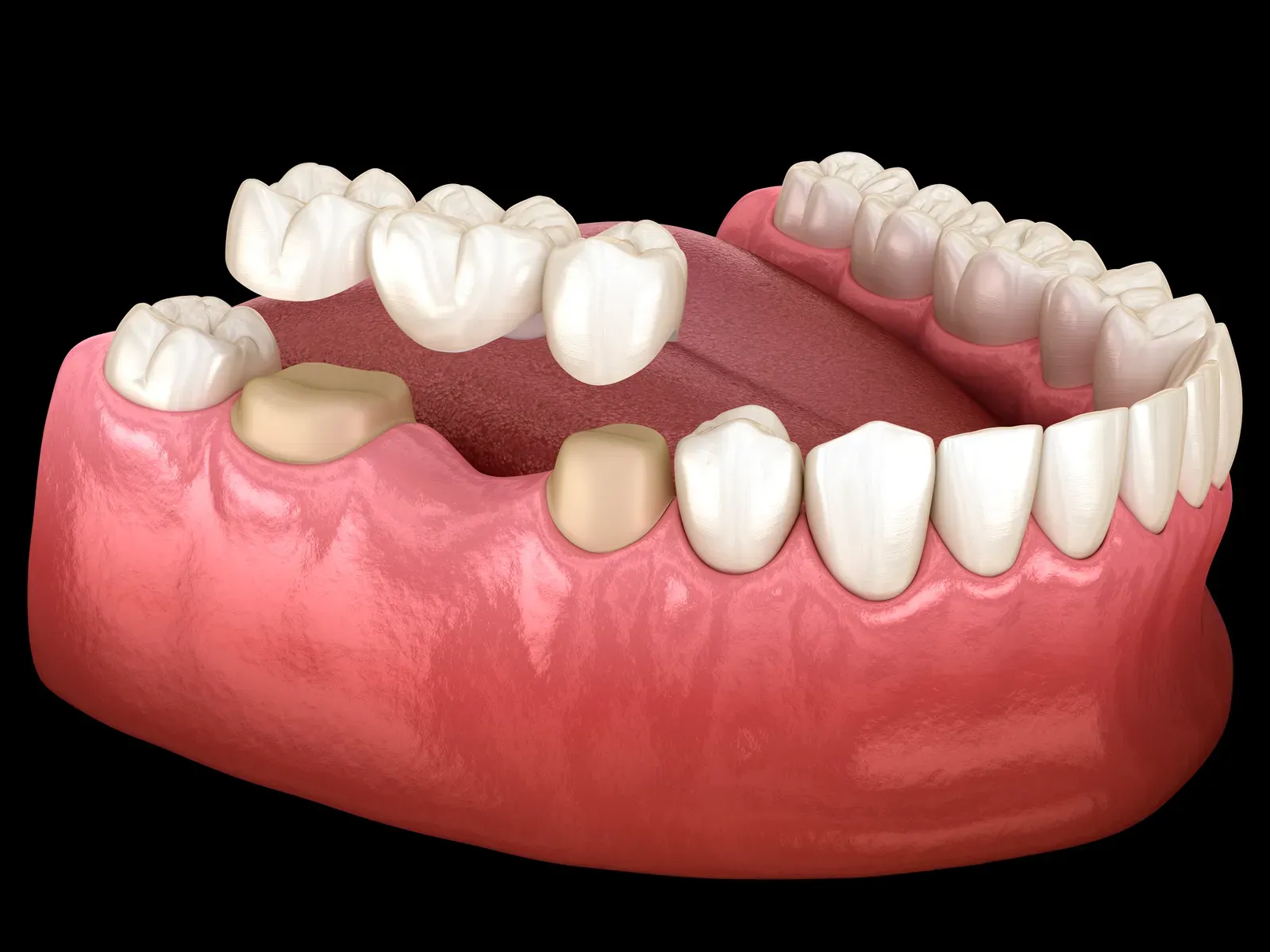
Most dental insurance in the United States follows a tiered model often described as "100-80-50." Preventive services like cleanings, exams, and X-rays are typically covered at or near 100 percent. Basic restorative procedures such as fillings and extractions usually fall into an 80 percent coverage tier, meaning you pay the remaining 20 percent after your deductible is met. Major procedures, including crowns, bridges, root canals, and dentures, are often covered at only 50 percent, leaving patients responsible for a larger share of the cost.
This structure exists because insurers want to encourage preventive care, which is far less expensive than treating advanced problems later. A plan that pays fully for two cleanings a year is betting that regular visits will catch small issues before they become costly ones. Unfortunately, this also means that patients who need more extensive work can face unexpectedly high bills if they haven't reviewed their plan's coverage tiers in advance.
Plans also differ in how they're administered. PPO (Preferred Provider Organization) plans typically let you see any licensed dentist, though you'll pay less if your dentist is "in-network." HMO-style dental plans (sometimes called DHMOs) usually require you to choose a network dentist and may not cover out-of-network care at all. Indemnity plans, which are less common today, reimburse a percentage of your bill regardless of which dentist you see. Knowing which category your plan falls into shapes nearly every other decision about your care.
Insurance paperwork is full of shorthand that rarely gets explained in plain language. Learning a handful of recurring terms makes it much easier to read a benefits summary, estimate your costs before treatment, and ask informed questions at the front desk.
Routine preventive care is the backbone of most dental plans. This generally includes biannual cleanings, comprehensive exams, periodic X-rays, and sometimes fluoride treatments or sealants for children. These visits are what insurers want you using most, so coverage here is usually generous and straightforward.
Cosmetic dentistry is the area where most patients get caught off guard. Procedures like teeth whitening, veneers, and cosmetic bonding are typically excluded entirely because insurers classify them as elective rather than medically necessary, even when a patient has a legitimate functional reason for wanting the work done. Orthodontic treatment for adults is frequently excluded too, or covered only up to a modest lifetime maximum that's separate from your annual dental maximum.
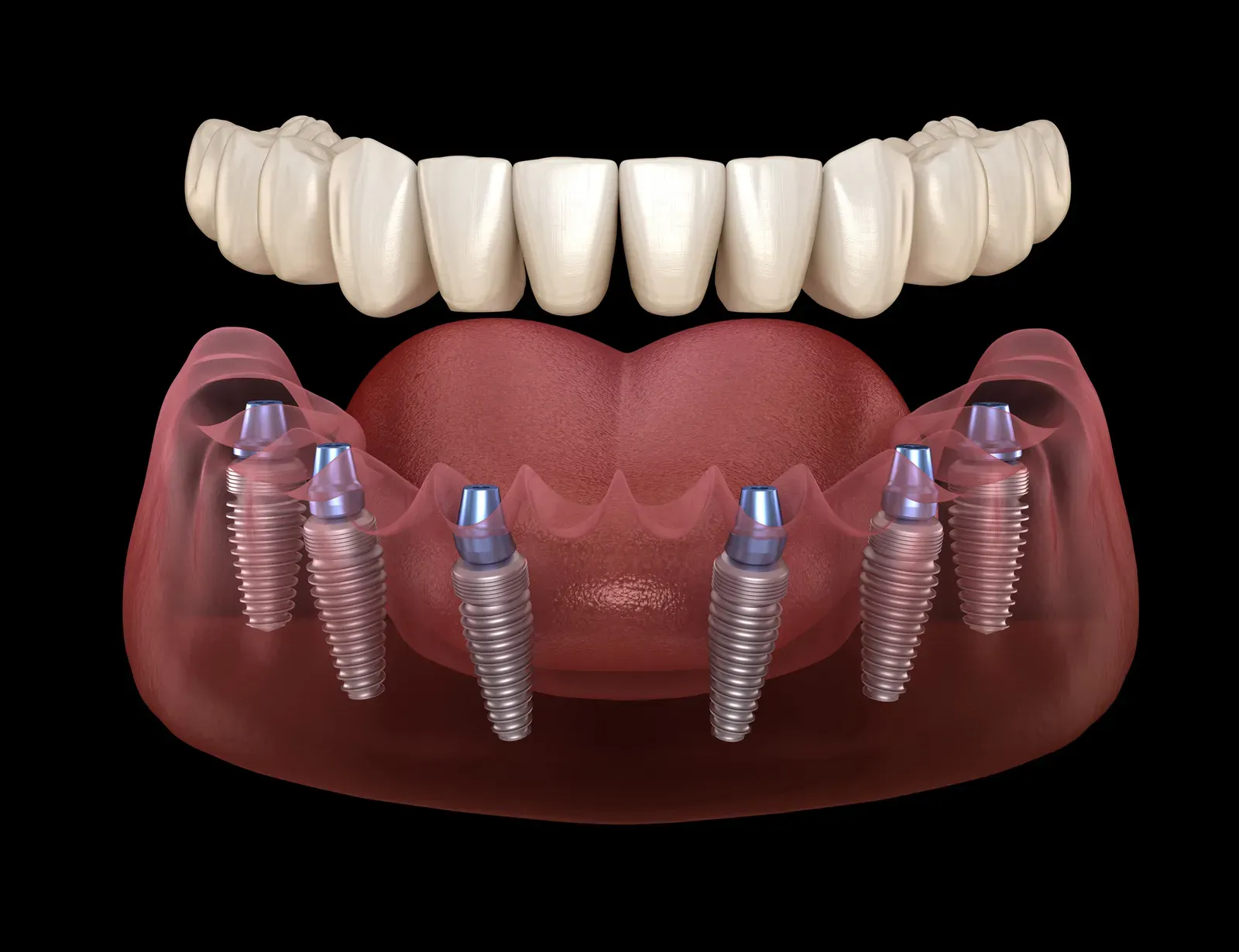
Dental implants occupy a gray area. Some plans cover the restorative crown portion but not the surgical implant placement, while others exclude implants altogether in favor of covering a bridge or partial denture as the "alternate benefit." It's worth asking your insurer directly how implants are categorized under your specific plan before committing to treatment, since the difference in out-of-pocket cost can be substantial.
Pre-existing conditions can also affect coverage. If a tooth was already missing or a condition already existed before your policy began, some insurers will deny coverage for related treatment, treating it as a pre-existing issue rather than a new need. This is one more reason why reviewing your plan documents, rather than assuming coverage based on past experience with a different insurer, really matters.
Dental benefits typically reset on a calendar-year or plan-year basis, and unused coverage rarely rolls over. That means an annual maximum you don't use by December 31 simply disappears rather than carrying into the following year. If you know you need a crown, a deep cleaning, or another significant procedure, scheduling it before your benefit year ends can let you use coverage that would otherwise go to waste.
Timing matters in the other direction too. If you've already exhausted this year's maximum but have additional treatment planned, it sometimes makes sense to split the work across two benefit years, finishing part of the treatment in December and the remainder in January. This strategy, often called benefit maximization, can meaningfully reduce what you pay out of pocket for a larger treatment plan.
It also helps to request a pre-treatment estimate for anything beyond a routine cleaning. Submitting a proposed treatment plan to your insurer before the work is done gives you a written breakdown of what they expect to cover, which protects you from being billed more than anticipated. Our front office team routinely handles this step on behalf of patients, since insurers' explanation-of-benefits language can be dense and easy to misread.
A significant share of adults in the United States go without dental coverage, often because it isn't offered through their employer or because individual plans feel cost-prohibitive relative to how often they visit the dentist. The good news is that lacking insurance doesn't have to mean putting off needed care indefinitely.
In-house dental savings plans, offered directly by many practices including ours, provide a flat annual fee in exchange for discounted rates on cleanings, exams, and common procedures, without the restrictions, waiting periods, or annual maximums that come with traditional insurance. Third-party dental discount cards work on a similar principle, offering reduced rates at participating providers for a membership fee.
Flexible spending accounts (FSAs) and health savings accounts (HSAs), if available through an employer, can also be used for dental expenses on a pre-tax basis, effectively lowering the real cost of care. And for larger treatment plans, many dental offices, including In Smyle Dental, offer financing options that break a total balance into manageable monthly payments, which can make a necessary procedure accessible even without insurance backing it up.
One of the most common frustrations patients describe is feeling like they're on their own when it comes to understanding their benefits. At In Smyle Dental, our front desk team verifies your coverage before your appointment whenever possible, so you walk in with a clear sense of what to expect rather than finding out after the fact.
When treatment involves a larger investment, such as a crown, root canal, or implant, we prepare a written estimate that separates what your insurance is expected to cover from what you'll owe directly. We also handle claims submission on your behalf in most cases, which removes a significant amount of the administrative back-and-forth that can otherwise fall on patients.
If you're ever unsure about a bill, an explanation of benefits, or a denied claim, our billing coordinators are available to walk through it with you line by line. Insurance shouldn't be a barrier to understanding your own treatment plan, and we try to make sure it never feels that way in our office.
Most PPO plans allow coverage for a second opinion, especially before a major or costly procedure, though you may pay a separate copay or exam fee. It's worth calling your insurer directly to confirm, since policies vary on whether the visit counts toward your annual exam allowance.
With a PPO plan, yes, though your reimbursement rate will usually be lower than if you had seen an in-network dentist. With an HMO-style or DHMO plan, out-of-network care is often not covered at all, so it's important to confirm your plan type before scheduling.
Claims are commonly denied due to frequency limitations, missing pre-authorization, incomplete documentation, or a procedure being classified differently than expected. Our billing team can review a denial letter with you and, in many cases, submit additional documentation to appeal it.
Yes, this is called dual coverage, often happening when both spouses have employer plans that cover each other as dependents. In these cases, one plan is designated "primary" and the other "secondary," and coordination of benefits rules determine how much each plan pays toward a given procedure.
Generally, no. Unlike auto or home insurance, individual dental claims don't typically trigger a direct premium increase tied to your personal claims history. Premium changes are usually set at the group or plan level and tend to reflect broader cost trends rather than one person's usage.
Dental insurance, for all its complexity, is a genuinely useful tool once you understand how it's built. Knowing the difference between preventive, basic, and major coverage tiers, keeping an eye on your annual maximum and deductible, and asking for a pre-treatment estimate before major work are all practical steps that put you back in control of your dental budget rather than leaving you guessing.
Whether you're weighing a new employer plan, trying to make sense of a confusing explanation of benefits, or exploring alternatives because you don't have coverage at all, the most important thing is not to let uncertainty about cost keep you away from care you need. Our team is always glad to review your specific plan with you, answer questions in plain language, and help you map out a treatment plan that fits both your smile and your budget.
Interested in the topics discussed in this guide? Explore our specialized treatments and services.
 Service
 Service
 Service
Gentle, modern dental care for the whole family. Schedule your visit with In Smyle Dental today - we can't wait to welcome you.