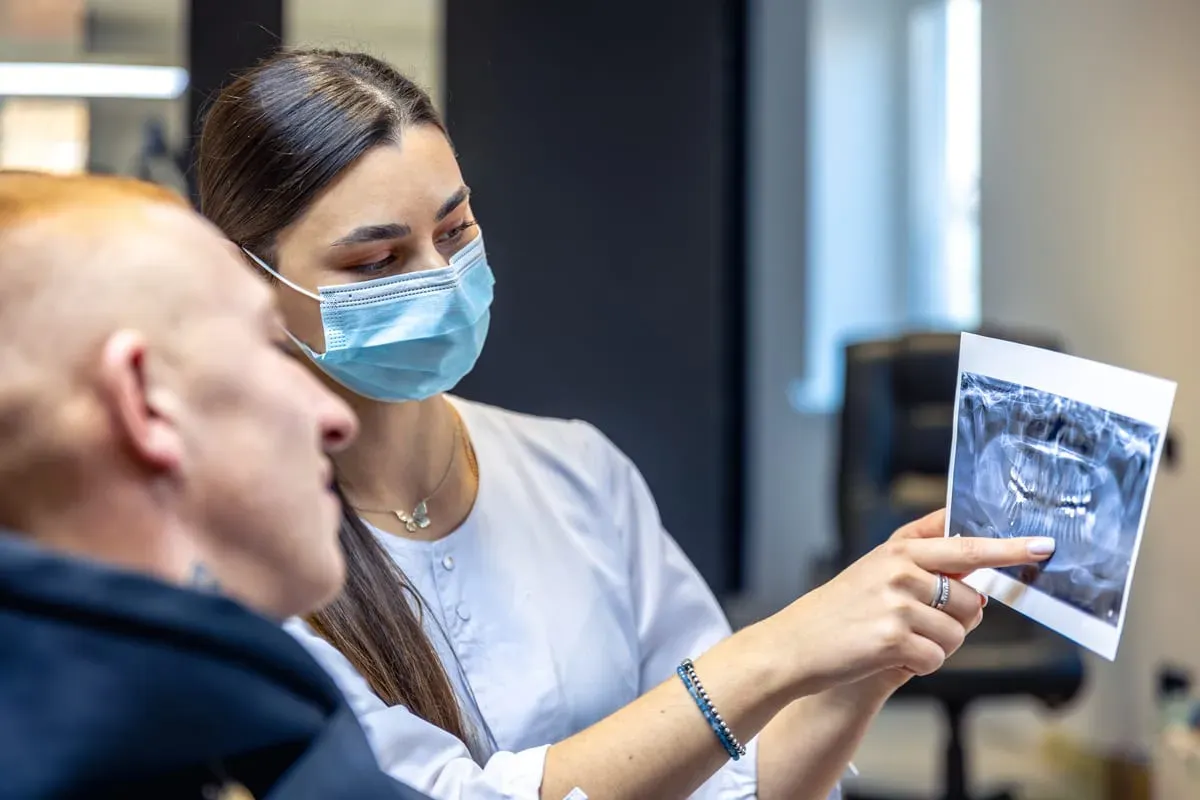
If you've ever had a tooth that needed a crown, you probably remember the routine: one appointment to shave down the tooth and take an impression, a wobbly temporary crown to wear for a week or two, and a second visit to finally get the permanent piece seated. For most of dental history, that was simply how it worked. There wasn't really another option.
That's no longer the case. Same day crown technology lets us design, mill, and place a fully custom, permanent crown in a single visit - often in under two hours. No temporary crown falling off in the middle of a sandwich. No second numbing shot. No second trip to the office squeezed into an already busy week.
In this article, we'll walk through how same day crowns actually work, what the procedure feels like from start to finish, who makes a good candidate, and how this technology compares to traditional lab-made crowns. Whether you're dealing with a cracked molar, an old filling that's failed, or a tooth that needs reinforcement after a root canal, understanding your options helps you make a confident, informed decision about your care.
How Same Day Crown Technology Works
Same day crowns rely on a digital design and milling system that essentially replaces the dental laboratory with equipment right in our office. Instead of a putty-like impression material that gets mailed to an outside lab, we use a small handheld scanner to capture a highly detailed digital image of your prepared tooth and the surrounding teeth. That scan becomes a 3D model on a computer screen within seconds.
From there, our team uses specialized software to design a crown that matches the exact contours of your bite, your neighboring teeth, and the opposing teeth it will meet when you chew. This isn't a generic, one-size-fits-all shape - it's custom-built to your mouth, factoring in how your jaw moves and where your teeth naturally make contact. Once the design is finalized, the file is sent to an in-office milling machine that carves the crown from a solid block of dental ceramic.
The milling process typically takes somewhere between 15 and 25 minutes depending on the complexity of the restoration. While the machine works, we can prepare the crown's shade and finish to make sure it blends naturally with your smile. The whole digital workflow - scan, design, and mill - is what eliminates the need for a lab turnaround and a second appointment.
What to Expect During Your Appointment
A same day crown appointment follows a clear sequence, and most patients are surprised by how straightforward it feels. We start with a local anesthetic to numb the area, just as we would with a traditional crown. Once you're comfortable, we remove any decayed or damaged tooth structure and shape the remaining tooth to the right form to receive the crown.
Next comes the digital scan rather than the traditional gooey impression tray many patients dread. This step is quick, and it tends to be much more comfortable since there's no material to bite down on or wait to set. While the crown is being designed and milled, you can relax in the chair - we'll check back in periodically, but there's no need to sit with a mouth full of putty.
Once the crown comes out of the mill, we try it in your mouth to confirm the fit, bite, and appearance. Small adjustments are made right then, in real time, rather than scheduled for a follow-up visit. When everything looks and feels right, we polish and bond the crown permanently into place.
One visit, start to finish: Most appointments are completed in one to two hours, meaning you walk out with a permanent crown the same day you walk in.
No temporary crown: You skip the awkward in-between stage where a temporary restoration can loosen, leak, or feel sensitive.
Real-time adjustments: If the bite needs tweaking, it happens immediately, not weeks later at a separate appointment.
Less time off work or school: One appointment instead of two means less disruption to your schedule.
Who Is a Good Candidate for a Same Day Crown?
Most people who need a crown are reasonable candidates for the same day approach. This includes patients with a tooth that has a large or failing filling, a cracked cusp, significant decay that's compromised the tooth's structure, or a tooth that has been treated with a root canal and needs a protective cap to prevent future fracture. If you grind your teeth or have a heavily worn bite, a crown milled from durable ceramic can also help distribute chewing forces more evenly.
There are a few situations where same day crowns may not be the ideal fit. Teeth with very limited remaining structure sometimes need a core buildup first, and in rare cases, a tooth near the gumline or close to another restoration may be easier to capture accurately with a traditional impression. Extremely complex bite cases involving multiple teeth at once may also benefit from additional planning time. During your exam, we'll take X-rays and evaluate the tooth closely to determine whether the same day option is appropriate, or whether an alternative restoration like an inlay or onlay might serve you better.
For patients who feel anxious about longer dental procedures, it's worth noting that the same day process actually tends to reduce overall chair time compared to the two-visit method, since there's no second appointment to build anxiety around. For those who do experience dental anxiety regardless of appointment length, we also offer sedation dentistry to help you stay relaxed and comfortable throughout treatment.
What Material Are Same Day Crowns Made From?
Same day crowns are milled from solid blocks of dental ceramic, most commonly lithium disilicate. This material was specifically developed for milling systems and strikes a strong balance between strength and natural appearance. It's translucent enough to mimic the way light passes through real enamel, which is a big part of why milled crowns tend to blend in so well next to the surrounding teeth.
Strength-wise, lithium disilicate holds up well to normal biting and chewing forces, including on back molars that absorb the most pressure during chewing. It's also resistant to staining over time, which means your crown is unlikely to develop the yellowish tint that can sometimes affect composite restorations after years of coffee, tea, or wine consumption.
Before milling begins, we select a shade that matches your natural tooth color, so the finished crown doesn't stand out from the rest of your smile. This attention to shade and shape matters especially for crowns placed on visible front or side teeth, where a mismatched restoration would be noticeable every time you smile or talk.
Same Day Crowns vs. Traditional Lab-Made Crowns
Traditional crowns are made using a physical impression that's sent to an outside dental laboratory, where a technician fabricates the crown by hand or with offsite milling equipment. This process usually takes one to three weeks, during which you wear a temporary crown made of acrylic or composite. Temporaries are functional, but they're not meant to last - they can come loose, wear down, or let bacteria sneak underneath if the seal isn't perfect.
Same day crowns remove that waiting period entirely. Because the crown is designed and milled using a precise digital scan rather than a hand-poured impression, there's also less room for distortion that can sometimes occur with traditional putty impressions, particularly if a patient moves slightly or the material shifts before it sets. Many patients also find the digital scanning process more comfortable than biting into an impression tray for several minutes.
That said, both approaches can produce excellent, long-lasting results when done by an experienced dentist. The right choice often comes down to the specific tooth, the complexity of the bite, and your personal preference for minimizing appointments. Our team will walk you through the pros and cons for your specific situation as part of your overall general dentistry care, so you're not guessing at which option makes sense.
Caring for Your New Crown Long Term
A well-fitted ceramic crown can last well over a decade, and often much longer, with reasonable care. The tooth underneath still needs the same attention as any other tooth, since decay can still form at the margin where the crown meets your natural tooth structure. Brushing twice daily, flossing around the crown, and keeping up with routine cleanings all play a direct role in how long the restoration lasts.
If you grind or clench your teeth at night, mention this during your visit. A nightguard can protect both your new crown and your other teeth from excess wear, and it's worth discussing alongside any broader bruxism treatment plan if grinding has been an ongoing issue for you. Avoiding extremely hard foods like ice or unpopped popcorn kernels on the crowned tooth also goes a long way toward preventing chips or fractures.
Regular dental checkups remain important even after your crown is placed. We'll check the fit, the health of the surrounding gum tissue, and the bite at each visit to catch any small issues before they become bigger problems. A crown is a long-term investment in your tooth, and ongoing preventive care is what protects that investment.
Key Takeaways
Same day crowns are designed, milled, and placed in one appointment using digital scanning and in-office milling technology.
There's no temporary crown to wear and no second appointment to schedule, saving time and avoiding the risks of a loose temporary.
Crowns are milled from durable, natural-looking lithium disilicate ceramic that resists staining and holds up to daily chewing.
Most patients needing a crown are good candidates, though a dental exam determines the best approach for your specific tooth.
Proper brushing, flossing, and regular checkups help a milled crown last well over a decade.
Frequently Asked Questions
Does getting a same day crown hurt?
The procedure itself shouldn't hurt because the area is numbed with local anesthetic before any tooth preparation begins. You may feel some mild soreness around the gum tissue for a day or two afterward, similar to what you'd expect after any crown placement, and this typically resolves on its own without any special treatment.
How much does a same day crown cost compared to a traditional one?
Costs are generally comparable to traditional lab-made crowns, since both involve custom fabrication, high-quality materials, and a dentist's time and expertise. Many patients find the value appealing because the same day option eliminates the cost and hassle associated with a temporary crown and a second appointment.
Will my same day crown look natural?
Yes. The ceramic material used for same day crowns is shade-matched to your natural teeth and has a translucent quality similar to real enamel. Most people can't tell which tooth has the crown once it's polished and seated, especially since the digital design process accounts for the exact shape of your bite and surrounding teeth.
Can a same day crown be used on a front tooth?
Yes, same day crowns can be used on both front and back teeth. For highly visible front teeth, your dentist will pay extra attention to shade matching and shaping to make sure the final result blends seamlessly with your smile. In some aesthetically demanding cases, additional options like porcelain veneers may also be worth discussing depending on your goals.
How long does a same day crown actually last?
With good oral hygiene and regular dental visits, a milled ceramic crown can last 10 to 15 years or longer. Lifespan depends on factors like your bite, whether you grind your teeth, and how consistently you keep up with brushing, flossing, and professional cleanings.
A Faster Path to a Restored Tooth
A damaged or weakened tooth doesn't have to mean weeks of waiting, a temporary restoration, and a second appointment on your calendar. Same day crown technology has changed what's possible in a single dental visit, giving you a durable, custom-fitted, natural-looking crown without the usual back-and-forth.
If you have a tooth that's cracked, heavily filled, or in need of extra support after a root canal, it's worth asking whether you're a candidate for this approach at your next visit. The sooner a vulnerable tooth is protected, the less likely it is to develop more serious problems down the road.