If the words "root canal" make you want to close this tab, you're not alone. It's one of the most feared phrases in dentistry, yet it's also one of the most misunderstood. Most people picture hours of pain in a dentist's chair, when in reality, a root canal is a procedure designed to end pain, not cause it. The infection or inflammation inside your tooth is usually what hurts - the treatment itself is simply the fix.
At In Smyle Dental, we see patients every week who've been putting off treatment out of fear or outdated stories they've heard from friends or family. Modern root canal therapy, done with the right anesthesia, modern tools, and an experienced hand, is comparable to getting a routine filling. Understanding what actually happens inside that tooth - and why saving it matters so much - can make the entire experience far less intimidating.
This guide walks through what root canal therapy really involves, why dentists go to such lengths to save a natural tooth instead of simply pulling it, and what you can expect before, during, and after your appointment. Whether you're nursing a toothache right now or just want to be informed before a dentist recommends treatment, you'll find real, practical answers here.
In This Article
What a Root Canal Actually Treats Inside Your Tooth
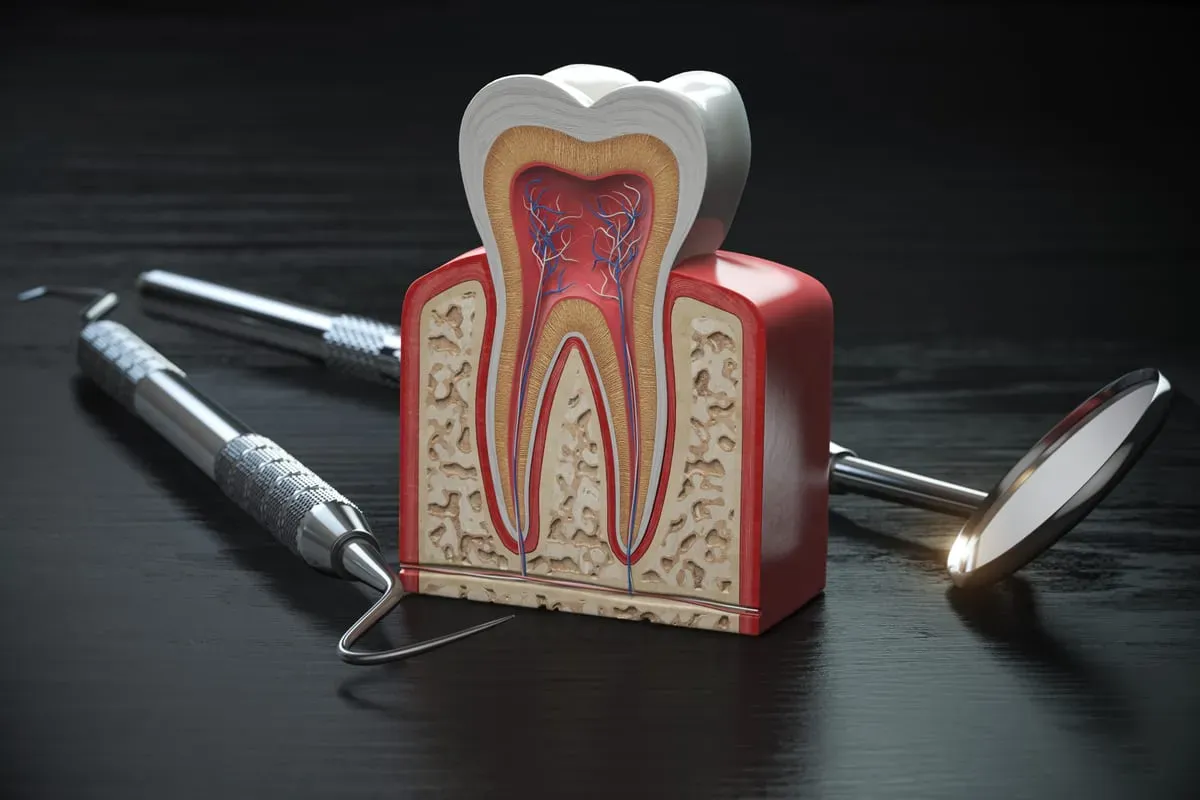
Every tooth has a soft inner chamber called the pulp, filled with nerves, blood vessels, and connective tissue. The pulp's job is mostly developmental - it helps a tooth grow and senses temperature and pressure. Once a tooth is fully mature, it can technically survive without its pulp, which is exactly why this tissue can be removed without sacrificing the tooth itself.
Problems start when bacteria reach that inner chamber, usually through a deep cavity, a cracked tooth, or repeated dental work that's worn down the enamel protecting it. Once bacteria get inside, the pulp becomes inflamed and infected, and because it's enclosed in hard tooth structure with nowhere to drain, pressure builds. That pressure is what causes the deep, throbbing pain many people associate with needing a root canal.
Root canal therapy removes that infected or inflamed pulp tissue, cleans out the hollow canals inside the tooth's root, disinfects them thoroughly, and then seals the space with a biocompatible material. The tooth is then typically capped with a crown to restore its strength. The result is a tooth that no longer has a nerve to feel pain, but still functions for biting, chewing, and holding its place in your smile for years to come.
Warning Signs You Might Need Root Canal Therapy
Not every toothache means you need a root canal, but certain symptoms are strong signals that the pulp inside a tooth is in trouble. Catching these early, rather than waiting for the pain to become unbearable, usually means a simpler procedure and a better long-term outcome for the tooth.
- Lingering sensitivity to hot or cold: A quick twinge is normal, but pain that lingers for 30 seconds or longer after the stimulus is removed often points to pulp damage.
- Pain that wakes you at night: Deep, throbbing pain that intensifies when you lie down is a classic sign of infection reaching the inner tooth.
- A bump or swelling on the gum: A small pimple-like swelling near a tooth, sometimes draining fluid, often means an abscess has formed at the root tip.
- Tenderness when chewing or tapping the tooth: This usually signals inflammation has spread beyond the tooth into the surrounding bone.
- Darkening of the tooth: A tooth that's turning gray, yellow, or dark often means the internal tissue has died and needs attention even without noticeable pain.
It's worth noting that some infected teeth don't hurt at all, especially once the nerve has fully died. That's one reason regular checkups and X-rays matter: they catch quiet problems before they turn into emergencies. If any of these signs sound familiar, it's worth having it checked rather than waiting to see if it resolves on its own, because pulp damage doesn't reverse itself.
What Happens During the Procedure, Step by Step
A root canal is typically completed in one or two visits, depending on the severity of the infection and the tooth's anatomy. Molars, for example, have multiple canals and more complex root structures than front teeth, which can sometimes mean a longer appointment or a follow-up session. Here's a realistic look at how the appointment usually unfolds.
Numbing and Isolating the Tooth
The area is thoroughly numbed with local anesthetic before anything else happens. A thin protective sheet called a dental dam is placed around the tooth to keep it dry and free of saliva during treatment, which also helps prevent bacteria from re-entering the cleaned canals.
Accessing and Cleaning the Canals
A small opening is made in the top of the tooth to reach the pulp chamber. Fine instruments are then used to remove the damaged tissue and shape the canals, while an antimicrobial rinse flushes out bacteria and debris along the way. Digital X-rays or a measuring device help confirm the full length of each canal is cleaned.
Sealing and Restoring the Tooth
Once the canals are clean and dry, they're filled with a biocompatible material called gutta-percha and sealed to prevent recontamination. A temporary filling closes the access hole, and in most cases, a permanent crown or filling is placed afterward to protect the tooth from fracturing, since a treated tooth can become more brittle over time.
Does It Actually Hurt? Separating Fact From Fear
This is the question we hear most often, and the honest answer is that the procedure itself is designed to relieve the pain you're already feeling, not add to it. Local anesthetic numbs the area completely before any drilling or cleaning begins, so most patients describe the experience as similar to a longer filling appointment - pressure and vibration, but not sharp pain.
The reputation root canals have earned largely comes from decades-old techniques and cases where patients waited until the infection was severe before seeking treatment. Modern anesthesia, rotary instruments, and imaging have changed the experience considerably. Studies comparing patient-reported pain levels consistently show root canal therapy rated no more uncomfortable than routine fillings.
Some mild soreness in the days following treatment is normal, since the surrounding tissue was inflamed before treatment began and needs time to settle. This is usually manageable with over-the-counter pain relievers and fades within a few days. If you experience sharp or worsening pain a week after treatment, that's worth a call to your dentist, but it's not the typical pattern.
Recovery, Aftercare, and Getting Back to Normal
Most patients return to work or school the same day, especially if the appointment happens earlier in the day and gives the numbness time to wear off. The treated tooth and surrounding gum tissue may feel tender for a few days, particularly when chewing, which is simply the body's normal healing response to the inflammation that was present beforehand.
A few simple habits in the days after treatment make a noticeable difference in comfort and healing speed. Sticking to softer foods, avoiding chewing directly on the treated side until the permanent crown is placed, and keeping up with gentle brushing and flossing around the area all help the tooth settle properly.
- Manage discomfort as directed: Over-the-counter anti-inflammatories are usually enough to control post-treatment soreness for most patients.
- Avoid chewing on the treated tooth: This protects the temporary filling and reduces strain until a permanent crown is in place.
- Schedule your crown placement: Delaying the final restoration too long raises the risk of the tooth cracking under normal biting pressure.
- Keep your follow-up appointment: This lets your dentist confirm the tooth is healing well and catch any issues early.
Why Saving Your Natural Tooth Matters Long-Term
Extraction might seem like a faster fix, but losing a tooth sets off a chain of consequences that are far more involved to correct than the infection itself. Nearby teeth can shift into the gap, your bite can change, and the jawbone that once supported the tooth's root begins to lose density without that stimulation. Replacing an extracted tooth with a bridge or implant is also typically more expensive and time-consuming than root canal therapy and a crown.
Your natural tooth, even after root canal treatment, still functions with the same root anchoring and bone-preserving benefits it always had. It bites, chews, and distributes pressure the way it's designed to, which is something artificial replacements work hard to replicate but can't fully match. That's the core reason dentists consistently recommend saving a natural tooth whenever it's a viable option.
At In Smyle Dental, we take time to walk you through imaging and explain exactly what we're seeing in your tooth before recommending treatment, so you understand your options clearly, whether that's root canal therapy, a crown, or in rare cases, extraction. Our goal is always to help you keep as much of your natural smile intact as we safely can.
Key Takeaways
- A root canal removes infected or inflamed pulp tissue to relieve pain, not cause it.
- Lingering sensitivity, night pain, gum swelling, and tooth discoloration are common warning signs.
- Modern anesthesia makes the procedure comparable in comfort to getting a routine filling.
- Mild soreness after treatment is normal and typically resolves within a few days.
- Saving your natural tooth protects your bite, jawbone, and budget better than extraction and replacement.
Frequently Asked Questions
How many appointments does root canal therapy usually take?
Most root canals are completed in one or two visits. Front teeth with a single canal are often finished in one session, while molars with multiple canals or more severe infections may need a second appointment to fully clean and seal the tooth.
Will I need a crown after a root canal?
In most cases, yes, especially for back teeth that handle heavy chewing forces. A root canal removes tissue that kept the tooth nourished, which can make it more brittle over time, so a crown protects it from cracking under normal biting pressure.
Can a tooth get infected again after root canal treatment?
It's uncommon but possible if new decay develops, the seal fails, or a crack forms that allows bacteria to re-enter. Keeping up with regular checkups and good oral hygiene significantly lowers that risk and helps catch any issues early.
Is root canal therapy more expensive than just pulling the tooth?
The root canal itself may cost more upfront than a simple extraction, but extraction isn't the end of the cost. Replacing the missing tooth with a bridge or implant to restore chewing function and prevent shifting typically costs more overall than saving the natural tooth.
What happens if I ignore the warning signs and skip treatment?
Untreated infection can spread to the surrounding bone and tissue, forming an abscess that may cause facial swelling and, in rare cases, become a serious health concern. The tooth itself also becomes more likely to need extraction the longer treatment is delayed.
Putting the Fear in Perspective
Root canal therapy has carried an unfair reputation for years, but the procedure itself is one of modern dentistry's most reliable ways to stop pain and save a tooth that would otherwise be lost. The discomfort people associate with it almost always comes from the infection that preceded treatment, not the treatment that resolves it.
If you're dealing with a persistent toothache, sensitivity that won't quit, or a tooth that just doesn't feel right, don't wait for it to get worse. Our team at In Smyle Dental takes the time to explain exactly what's happening in your mouth, walk you through your options, and make sure you feel informed and comfortable at every step. Catching the problem early is almost always easier, faster, and more affordable than waiting until it becomes an emergency.