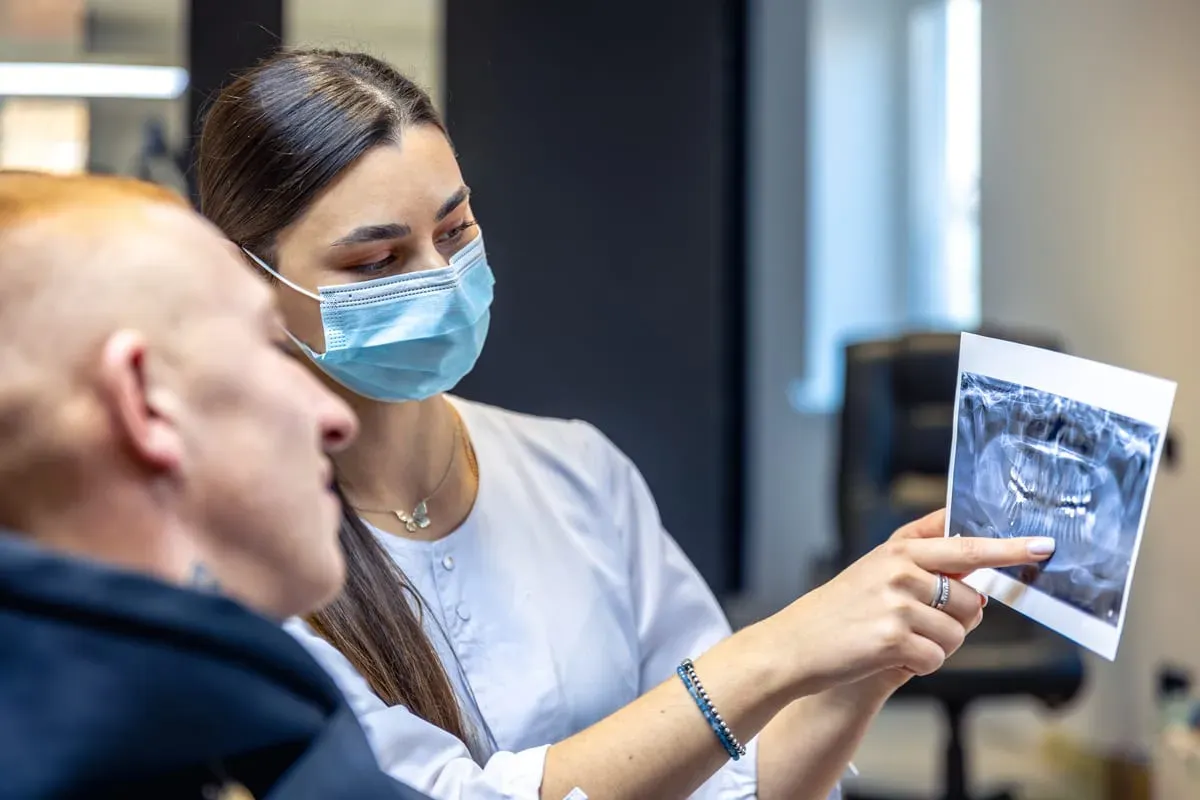
Few phrases in dentistry cause as much anxiety as "you need a root canal." Yet for the millions of patients who undergo this procedure every year, it's rarely the ordeal its reputation suggests. In reality, root canal therapy is one of the most effective ways to stop dental pain, eliminate infection, and keep a tooth that would otherwise need to be pulled.
At In Smyle Dental, we see patients come in worried about a toothache that's been keeping them up at night, or a dull ache that flares up every time they bite down on something cold or sweet. More often than not, the cause is an infected or inflamed tooth nerve, and root canal therapy is the solution that addresses the problem at its source rather than just masking the symptoms.
This article walks through what actually happens during the procedure, why it's often far more comfortable than people expect, and how saving your natural tooth benefits your long-term oral health. Whether you're facing a recommendation for this treatment or just want to understand it better before a potential need arises, we want you to feel informed and at ease.
What Root Canal Therapy Actually Treats
Inside every tooth, beneath the enamel and dentin, sits a soft tissue called the pulp. It contains nerves, blood vessels, and connective tissue, and it's responsible for the tooth's sensations and nourishment during development. When bacteria reach this pulp - usually through a deep cavity, a cracked tooth, or repeated dental procedures on the same tooth - the result is inflammation or infection that won't heal on its own.
Root canal therapy removes that damaged or infected pulp tissue, cleans and disinfects the inner chamber and canals of the tooth, and then seals the space to prevent reinfection. Once the procedure is complete, the tooth is typically restored with a filling or capped with a crown to restore its strength and function. The nerve tissue being removed is not needed for the tooth to function normally once it has fully developed, so you won't lose any meaningful sensation or capability in the tooth afterward.
This treatment falls under what dentists call endodontics, which literally means "inside the tooth." It's a well-established, predictable procedure with decades of research behind it, and it remains one of the most reliable ways to resolve a painful or infected tooth without removing it entirely.
Warning Signs You Shouldn't Ignore
Tooth pain doesn't always announce itself clearly, and some infections can simmer quietly for weeks before becoming impossible to ignore. Knowing the common warning signs can help you seek care before a minor issue turns into an emergency that requires more extensive treatment.
- Lingering sensitivity to hot or cold: Brief sensitivity is normal, but pain that lingers for 30 seconds or more after the stimulus is removed often signals nerve involvement.
- Sharp pain when chewing or biting: This can indicate a crack, deep decay, or infection that's irritating the tissue around the root tip.
- A pimple-like bump on the gum: Known as a fistula, this small bump can drain pus from an infection and may come and go without pain.
- Tooth discoloration: A tooth that darkens or grays compared to its neighbors often means the internal nerve tissue has died.
- Swelling near the jaw or face: Visible swelling can indicate the infection has spread beyond the tooth and needs urgent attention.
If you notice any of these symptoms, it's worth having it evaluated rather than waiting it out. Left untreated, an infected tooth can lead to a dental abscess, bone loss around the root, or the need for an emergency visit. If you're experiencing sudden, severe pain, our dental emergency team can see you quickly to assess the situation.
What Happens During the Procedure
Modern root canal therapy bears little resemblance to its old reputation. The goal of the entire procedure is actually to relieve pain, not cause it - the discomfort patients associate with "needing a root canal" almost always comes from the infection itself, not from the treatment that resolves it.
Diagnosis and Preparation
Your visit typically starts with a clinical exam and an X-ray to confirm the extent of the infection and check the shape of the tooth's root canals. We'll numb the area thoroughly with local anesthetic, and for patients who feel particularly anxious about dental visits, we also offer sedation dentistry to help you stay relaxed and comfortable throughout.
Cleaning the Canals
Once the tooth is numb, your dentist creates a small opening in the crown of the tooth to access the pulp chamber. Using fine instruments, the infected or inflamed tissue is carefully removed from each canal, and the space is cleaned, shaped, and disinfected to eliminate bacteria. This step is the heart of the procedure, and it's what actually resolves the infection causing your symptoms.
Sealing and Restoring the Tooth
After cleaning, the canals are filled with a biocompatible material to seal them against future bacteria and the access opening is closed with a temporary or permanent filling. In many cases, a tooth that's had a root canal needs additional reinforcement because the procedure can leave it more brittle. Depending on the tooth's location and how much structure remains, your dentist may recommend a crown - sometimes completed in a single visit through our same day crowns service - to protect it for the long term.
Most straightforward cases are completed in one to two appointments, each lasting roughly 60 to 90 minutes depending on the tooth and the number of canals involved. Molars, which often have three or four canals, generally take a bit longer than front teeth, which usually have just one.
Recovery and Aftercare Expectations
Recovery from root canal therapy is usually much easier than people anticipate. The anesthetic wears off within a few hours, and mild soreness or tenderness around the treated tooth and gum is common for a few days afterward. Over-the-counter pain relievers like ibuprofen typically manage this discomfort well, and your dentist will let you know if a stronger prescription is needed based on the complexity of your case.
It's a good idea to avoid chewing on the treated side until any temporary filling is replaced with a permanent restoration, since the tooth can be more vulnerable to fracture in the interim. Sticking to softer foods for the first day or two, maintaining your normal brushing and flossing routine, and attending your follow-up appointment for the permanent crown or filling will set the tooth up for long-term success.
Most patients are back to their regular activities, including work and exercise, the same day or the next. If you experience increasing pain, swelling, or a fever more than a few days after treatment, give us a call - while rare, these can be signs that the tooth needs further evaluation.
Why Saving Your Natural Tooth Matters
When a tooth is badly infected, extraction can feel like the simpler option. But pulling a tooth creates a new set of problems that root canal therapy avoids entirely. Your natural teeth are designed to work together as a system - each one helps distribute the forces of chewing, supports your bite alignment, and keeps neighboring teeth from shifting out of place.
Once a tooth is extracted, the surrounding teeth can begin drifting into the empty space over time, which affects your bite and can lead to additional dental problems down the road. Replacing an extracted tooth with a dental implant or dental bridge is often necessary to prevent this, and these options typically involve more time, visits, and cost than simply treating and keeping the original tooth.
Root canal therapy also preserves your natural bite feel and sensation, something artificial replacements can't fully replicate. For most patients, keeping the tooth you were born with - once it's been properly treated and restored - is the more comfortable, more affordable, and longer-lasting path forward. It's part of why we consider this treatment one of the more valuable services within our broader restorative dentistry offerings.
Common Myths vs. the Facts
Much of the anxiety surrounding root canal therapy comes from outdated information and word-of-mouth stories that don't reflect how the procedure is performed today. It's worth separating fact from fiction before you let fear drive your decision.
One persistent myth is that root canals are intensely painful. In truth, the procedure is performed under local anesthetic and is designed to relieve the pain of infection, not create it - most patients report that the experience is comparable to getting a routine filling. Another common misconception is that it's better to just pull the tooth and be done with it, but as covered above, extraction often leads to more involved and expensive treatment later to replace the missing tooth and prevent shifting.
There's also an old claim that root canal treatment can cause illness elsewhere in the body. This idea has been thoroughly studied and discredited by modern dental and medical research; no credible scientific evidence supports a link between a properly performed root canal and systemic disease. If you're working through treatment options with a less severely damaged tooth, your dentist may also discuss alternatives like a tooth filling or an inlay or onlay if a root canal isn't yet necessary, but once the pulp is compromised, root canal therapy remains the standard and most effective solution.
Key Takeaways
- Root canal therapy removes infected pulp tissue to stop pain and prevent the infection from spreading.
- Lingering sensitivity, swelling, and tooth discoloration are common warning signs worth having checked early.
- The procedure is performed under anesthetic and is designed to relieve pain, not cause it.
- Saving your natural tooth is usually more comfortable and cost-effective than extraction and replacement.
- A crown or filling after treatment helps restore strength and protect the tooth long-term.
Frequently Asked Questions
Does root canal therapy hurt?
No, not during the procedure itself. Local anesthetic keeps the area numb while the infected tissue is removed, and most patients describe the experience as similar to having a cavity filled. Mild soreness afterward is normal and typically fades within a few days.
How many visits does treatment usually take?
Many cases are completed in one visit, though more complex teeth with multiple canals or significant infection may require a second appointment. Your dentist will give you a clear timeline based on the specific tooth and condition after the initial exam.
Will I need a crown after a root canal?
It depends on the tooth. Back teeth that handle significant chewing force often benefit from a crown to prevent fracture, while front teeth with less structural loss may only need a filling. Your dentist will recommend the right restoration based on how much of the tooth remains.
How long does a treated tooth last?
With proper restoration and good oral hygiene, a tooth treated with root canal therapy can last a lifetime. Regular checkups help your dentist monitor the tooth and catch any issues early, giving it the best chance of lasting as long as your natural teeth.
What happens if I skip treatment?
Untreated infection doesn't resolve on its own and typically worsens over time, potentially leading to an abscess, bone loss, or the need for extraction. Addressing it promptly with root canal therapy is almost always the more conservative and less costly path.
A Pain-Free Path Back to a Healthy Smile
Root canal therapy has a reputation it simply doesn't deserve anymore. For the vast majority of patients, it's a comfortable, routine procedure that resolves a problem far more painful than the treatment itself - and it does so while preserving the tooth you already have. Understanding what the process involves, recognizing the early warning signs, and knowing why saving your natural tooth matters can make the decision to move forward with treatment much easier.
If you're dealing with persistent tooth pain, sensitivity, or any of the warning signs we've covered, it's worth having it checked sooner rather than later. Our team at In Smyle Dental is here to walk you through your options, answer your questions, and help you get back to eating, smiling, and living without tooth pain holding you back.