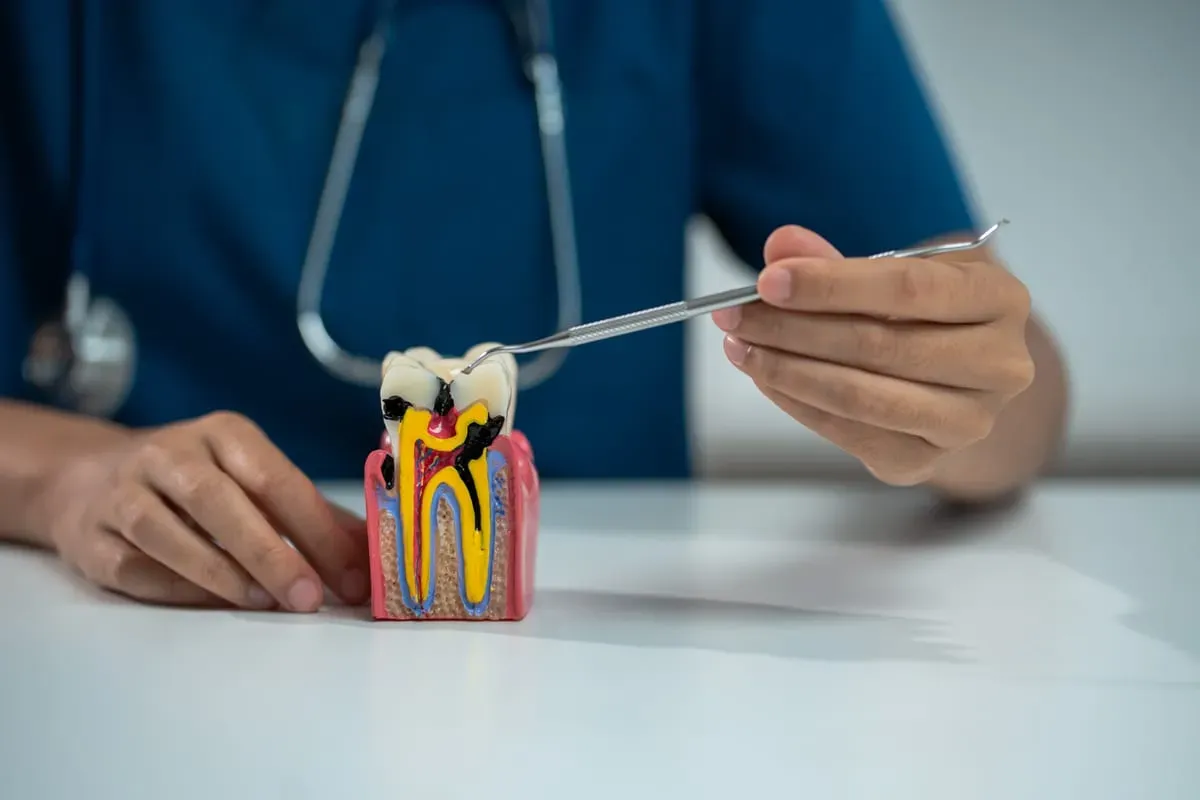
Few phrases in dentistry cause as much nervous laughter as "root canal." It has become shorthand for something unpleasant, even though the procedure itself is designed to end pain, not create it. If you have been told you need one, or you are simply trying to understand what the term actually means, it helps to separate the myth from the reality before you make any decisions about your care.
At its core, root canal therapy is a treatment that saves a tooth that would otherwise need to be removed because of deep decay, infection, or injury to the nerve inside it. Rather than extracting the tooth and dealing with the gap it leaves behind, your dentist can clean out the damaged tissue, disinfect the inside of the tooth, and seal it so it can keep doing its job for years to come. That distinction - saving a tooth versus losing one - is why this treatment matters so much to long-term oral health.
This article walks through what actually happens inside a tooth that needs a root canal, how the procedure is performed, what recovery looks like, and how to tell whether your symptoms point toward this kind of treatment. Our goal is to give you a clear, honest picture so that if you ever need this care, you can walk into the appointment informed rather than anxious.
What Root Canal Therapy Actually Treats
Every tooth has a soft inner core called the pulp, made up of nerves, connective tissue, and blood vessels. This pulp helped form the tooth while it was developing, and it continues to sense temperature and pressure throughout your life. When bacteria reach this pulp - usually through a deep cavity, a cracked tooth, repeated dental procedures, or trauma - it can become inflamed or infected. Once that happens, the pulp cannot heal on its own, and the infection will continue to spread if left untreated.
Root canal therapy addresses this directly. Your dentist removes the infected or inflamed pulp tissue from inside the tooth, cleans and shapes the narrow canals that run through the root, and fills them with a biocompatible material to prevent future infection. The outer structure of the tooth, including the root and surrounding bone, generally stays intact, which is what allows the tooth to remain functional afterward.
This is different from a simple filling, which addresses decay that has not yet reached the nerve. It is also different from an extraction, which removes the entire tooth. Root canal therapy sits in between: it is a more involved treatment than a filling, but it is specifically designed to avoid the consequences of losing a tooth altogether. If the infection is caught early enough, a related and less invasive option is a non-surgical root canal, which accomplishes the same goal without additional surgical steps.
Warning Signs You Shouldn't Ignore
Tooth pain is easy to dismiss, especially when it comes and goes. But certain symptoms are worth paying close attention to because they often indicate the pulp inside a tooth has become compromised. Catching these signs early can mean the difference between a straightforward root canal and a tooth that becomes too damaged to save.
- Lingering sensitivity to hot or cold: A quick twinge from ice water is normal, but pain that lingers for 30 seconds or longer after the stimulus is removed often signals nerve involvement.
- Persistent or throbbing pain: Pain that shows up spontaneously, worsens at night, or radiates to your jaw, ear, or neck is frequently a sign of deep infection.
- Tenderness when biting or chewing: Pressure sensitivity can indicate inflammation has spread beyond the tooth into the surrounding ligament and bone.
- A small bump on the gum: Often called a gum boil, this can be a sign of a draining abscess and should be evaluated promptly.
- Tooth discoloration: A tooth that darkens or turns grayish compared to its neighbors may have internal damage to the pulp, even without obvious pain.
It's worth noting that some infected teeth cause very little discomfort at all, particularly if the nerve has already died. That is exactly why routine checkups and X-rays matter - they can catch a quietly brewing problem before it becomes a dental emergency.
What Happens During the Procedure
A root canal procedure typically takes one to two visits, depending on the complexity of the tooth and the extent of the infection. Before anything begins, your dentist will take an X-ray to see the shape of the root canals and confirm the extent of the damage. Local anesthetic is used to numb the area thoroughly, and for patients who feel anxious about dental work, sedation dentistry options can make the entire visit far more comfortable.
Once the tooth is numb, a small opening is made in the top of the tooth to access the pulp chamber. Using fine instruments, your dentist removes the infected tissue from the pulp chamber and each root canal, then cleans and shapes the canals to prepare them for filling. Irrigation solutions are used along the way to flush out bacteria and debris that instruments alone cannot reach. This is the stage where most of the discomfort that originally brought you in is actually resolved, since the source of the pressure and inflammation is being removed.
After the canals are cleaned and shaped, they are filled with a biocompatible material that seals them against future bacteria. A temporary filling is placed on top while the tooth settles, and in most cases, a permanent restoration such as a crown follows at a later visit. Because a tooth that has had a root canal can become more brittle over time, many patients benefit from same day crowns to protect the tooth structure without needing to return for a separate appointment.
Recovery and Aftercare Expectations
Most patients are surprised at how manageable recovery turns out to be. Because the source of the pain has been removed rather than created, the days following treatment often feel better than the days leading up to it. Some mild soreness or tenderness around the tooth and gum is normal for a few days, particularly when biting down, as the tissue around the root adjusts after treatment.
Tips for a Smooth Recovery
Over-the-counter pain relievers are usually enough to manage any residual discomfort, and your dentist will let you know if anything stronger is needed for your specific case. It helps to avoid chewing directly on the treated tooth until the permanent restoration is in place, since the tooth is more vulnerable to fracture before it has been fully protected with a crown or filling. Sticking to softer foods for the first day or two and maintaining your normal brushing and flossing routine, while being gentle around the treated area, supports healing without putting unnecessary strain on the tooth.
Most people return to work or regular activities the same day or the next, especially if only local anesthetic was used. If swelling, fever, or pain worsens rather than improves after a few days, that is worth a follow-up call to your dental office, since it can occasionally indicate the infection needs additional attention.
Common Myths That Keep Patients Away
A lot of the anxiety surrounding root canal therapy comes from outdated information or stories passed around rather than firsthand experience. Modern techniques, imaging, and anesthesia have changed the procedure considerably compared to decades past, yet the old reputation has stuck around far longer than it deserves.
One persistent myth is that root canal treatment itself causes pain. In reality, the infection is what causes the pain you feel beforehand, and the procedure is specifically what relieves it. Numerous studies and patient surveys consistently show that people who have had the treatment describe it as comparable to getting a routine filling. Another myth suggests that pulling the tooth is simpler and cheaper in the long run. While extraction may seem like a quicker fix, it often leads to additional costs down the line for a bridge, implant, or denture to replace the missing tooth and prevent the surrounding teeth from shifting.
There is also a lingering, scientifically unsupported belief that root canal treatment is linked to broader health problems elsewhere in the body. This idea has been thoroughly reviewed and debunked by major dental and medical research organizations. The sealed, cleaned tooth left behind after treatment is not a source of ongoing infection when the procedure is done properly and followed by appropriate restoration.
Protecting the Tooth After Treatment
A tooth that has undergone root canal therapy can last for the rest of your life with the right care, but it does need some extra consideration compared to a tooth with its nerve intact. Since the blood supply to the tooth has been removed along with the infected pulp, the tooth no longer receives nutrients from inside and can become slightly more brittle over time. This is why a permanent restoration, often a crown, is so important for back teeth that handle significant chewing force.
Good oral hygiene remains just as important after treatment as before it. Brushing twice daily, flossing, and keeping up with regular cleanings help prevent new decay from forming around the restored tooth or any neighboring teeth. If you grind your teeth at night, mentioning this to your dentist is worthwhile, since untreated grinding puts extra stress on a treated tooth and can shorten the life of its restoration; in those cases, bruxism treatments can help protect your investment in the tooth.
Routine checkups allow your dentist to monitor the treated tooth over time through periodic X-rays, confirming that healing has progressed normally and that no new issues have developed around the root. Patients who stay consistent with these visits tend to keep their treated teeth functioning comfortably for many years, often decades, without further intervention.
Key Takeaways
- Root canal therapy removes infected pulp tissue from inside a tooth, allowing the natural tooth to be saved instead of extracted.
- Lingering temperature sensitivity, throbbing pain, and tenderness while chewing are common signs the pulp may be infected.
- Modern anesthesia and technique make the procedure comparable in comfort to getting a routine filling.
- A permanent crown and good oral hygiene after treatment help the restored tooth function normally for many years.
- Catching symptoms early generally means a simpler, less invasive treatment and a better long-term outcome.
Frequently Asked Questions
Does root canal therapy hurt?
The procedure itself is performed under local anesthesia, so you should not feel pain during treatment. Most patients report that the experience is similar to having a cavity filled, and any soreness afterward is typically mild and manageable with over-the-counter pain relief.
How many visits does treatment usually take?
Many root canals are completed in a single visit, though more complex cases, such as teeth with curved canals or significant infection, may require two appointments. Your dentist will let you know what to expect based on the X-rays and the condition of the tooth.
Will I need a crown after a root canal?
In most cases, yes, particularly for molars and premolars that handle heavy chewing forces. A crown protects the tooth from fracturing since it no longer has an internal blood supply keeping it as resilient as it once was.
What happens if I skip treatment and just have the tooth removed instead?
Extraction is sometimes the right choice for a severely damaged tooth, but when a tooth can be saved, keeping it usually preserves better chewing function and jawbone health. Replacing an extracted tooth later with a bridge or implant often costs more over time than treating and restoring the natural tooth.
How long does a tooth last after root canal therapy?
With a proper restoration and consistent oral hygiene, a treated tooth can last for decades, often for the rest of your life. Regular dental checkups help confirm the tooth remains healthy and catch any issues early if they arise.
Taking the Fear Out of a Misunderstood Treatment
Root canal therapy has an unfair reputation, but when you look at what it actually accomplishes, it is one of the more rewarding treatments in dentistry. It takes a tooth that would otherwise need to be removed and gives it a real chance to keep functioning for years, sparing you the time, cost, and adjustment that come with replacing a missing tooth.
If you are dealing with persistent tooth pain, sensitivity that lingers, or swelling that will not go away, it is worth having the tooth evaluated sooner rather than later. The earlier an infection is identified, the more straightforward the treatment tends to be, and the better the odds of preserving the tooth for the long run.