If the words "root canal" make you wince, you're not alone. Decades of jokes and old horror stories have given this treatment a reputation it doesn't really deserve anymore. In reality, a non-surgical root canal is one of the most effective, predictable ways to stop tooth pain and keep your natural tooth right where it belongs - in your mouth, doing its job.
When the soft tissue inside a tooth - the pulp - becomes infected or inflamed, the pain can range from a dull ache to something that keeps you up at night. Left untreated, that infection doesn't go away on its own. It spreads, it can form an abscess, and eventually the tooth may need to be removed entirely. A non-surgical root canal addresses the problem at its source, through the tooth itself, without cutting into the gum or bone.
This article walks through how the procedure actually works, why "non-surgical" matters, what recovery looks like, and how to tell if your tooth pain might be pointing toward this treatment. Our goal is to take the mystery - and the fear - out of the process, so you can make an informed decision about your own dental health.
What Exactly Is a Non-Surgical Root Canal?
A root canal treats the inside of a tooth, where the pulp - a soft bundle of nerves, blood vessels, and connective tissue - lives beneath the enamel and dentin. When bacteria reach the pulp through a deep cavity, a crack, or repeated dental work, the tissue becomes inflamed or infected. A non-surgical root canal removes that damaged tissue through the natural opening at the top of the tooth, cleans and disinfects the inner chamber, and seals it so bacteria can't get back in.
The "non-surgical" part is an important distinction. Surgical endodontic procedures, like an apicoectomy, involve accessing the root tip through the gum tissue and bone - typically reserved for cases where a standard root canal hasn't resolved the infection or where the tooth's anatomy makes conventional access impossible. A non-surgical root canal, by contrast, is performed entirely through the crown of the tooth. No incisions, no sutures, no cutting into the gum. It's the first-line, most common approach, and it resolves the vast majority of infected or inflamed teeth without ever needing to go near the surrounding soft tissue.
This is treatment through the tooth, not around it - which is exactly why most patients find it far more comfortable and far less involved than they expected. It's one of several options available under our general dentistry services, designed specifically to resolve infection while keeping your original tooth structure intact.
Signs Your Tooth May Need This Treatment
Tooth pain doesn't always mean you need a root canal, but certain symptoms are strong indicators that the pulp inside your tooth is compromised. Catching these signs early matters - the sooner an infected tooth is treated, the simpler and more predictable the procedure tends to be.
-
Sharp or lingering pain: A toothache that lingers well after eating something hot or cold, or that throbs without an obvious trigger, often points to pulp inflammation rather than a surface-level cavity.
-
Swelling near the tooth: Tenderness or puffiness in the gum around a specific tooth can signal that infection has spread beyond the root tip, which needs prompt attention.
-
A small bump on the gum: Sometimes called a "gum boil," this is a drainage point for infection and is a clear sign the pulp has been compromised.
-
Darkening of the tooth: A tooth that gradually turns gray or dark often has internal tissue damage, even if it isn't painful yet.
-
Pain when biting or chewing: Pressure sensitivity on one specific tooth usually means inflammation has reached the nerve or the tissue surrounding the root.
Occasionally, there are no symptoms at all, and the problem only shows up on a routine X-ray during a checkup. This is one more reason why regular visits as part of consistent preventative dentistry are so valuable - they catch problems before they become emergencies.
How the Procedure Actually Works
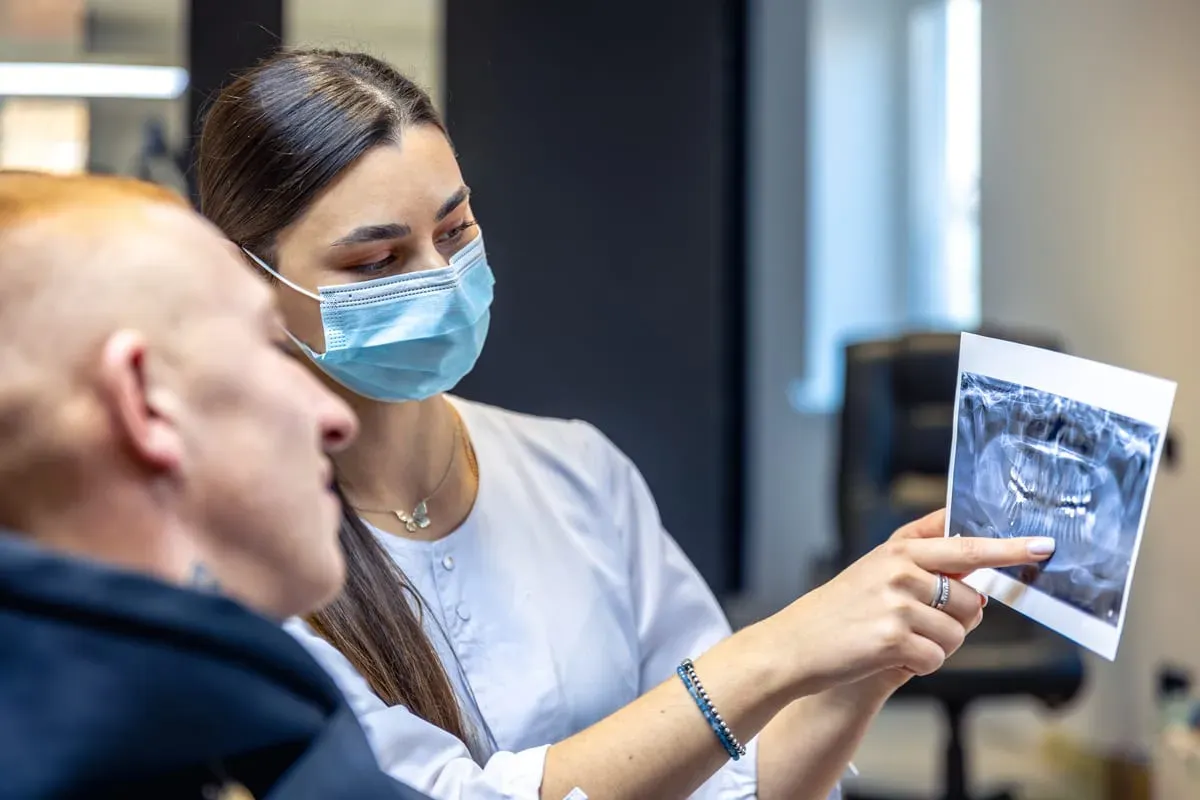
The process is more straightforward than most patients expect, and it's typically completed in one or two appointments depending on the complexity of the tooth's root structure. We begin with a thorough examination and digital X-rays to map out the shape and depth of the root canals - every tooth is slightly different, and molars in particular can have two, three, or even four separate canals that each need to be treated individually.
Once we've confirmed the diagnosis, the area is numbed completely with local anesthetic. A small opening is made in the top of the tooth to access the pulp chamber, and the infected or inflamed tissue is carefully removed using fine instruments. The canals are then cleaned, shaped, and disinfected to eliminate bacteria and debris. This is the step that actually resolves the infection - not just the symptoms, but the underlying cause of the pain.
After the canals are fully cleaned, they're filled with a biocompatible material that seals the space and prevents future bacterial growth. In most cases, the tooth will then need a crown or other restoration to restore its strength, since a tooth that's had a root canal can become more brittle over time. We often pair this step with our same day crowns service, which means you can leave with a fully restored, functional tooth without waiting weeks for a lab-made crown to come back.
Why "Non-Surgical" Matters for Your Comfort
A lot of the anxiety people feel about root canals comes from outdated assumptions. Modern techniques, better anesthesia, and more precise instruments have changed what this procedure actually feels like. Most patients describe the experience as comparable to getting a filling, not the dramatic ordeal they'd imagined.
Because the treatment is performed entirely through the crown of the tooth, there's no cutting into the gum tissue and no need for stitches afterward. This matters for two practical reasons: it means less post-procedure discomfort, and it means a faster return to your normal routine. Many patients are back to work or school the same day.
For Patients With Dental Anxiety
We understand that even a non-surgical approach can feel intimidating if you're nervous about dental visits in general. For patients who need a little extra help staying relaxed and comfortable, we offer sedation dentistry options that can make the entire appointment feel much shorter and far less stressful than you'd expect. There's no reason to white-knuckle through treatment when options exist to make it genuinely easy.
Recovery, Aftercare, and What to Expect Next
Recovery from a non-surgical root canal is generally mild and short-lived. It's common to feel some tenderness around the tooth for a few days, especially when chewing, as the surrounding tissue settles after treatment. Over-the-counter pain relief is usually enough to manage this, and most people find the discomfort noticeably less than what they were experiencing from the original infection.
We'll generally recommend sticking to softer foods for the first day or two and avoiding chewing directly on the treated tooth until any temporary filling or restoration has been finalized. Good oral hygiene should continue as normal - brushing and flossing don't need to stop, and in fact, keeping the area clean supports healing.
If a permanent crown hasn't been placed the same day, it's important to schedule that follow-up appointment promptly. A tooth left without its final restoration for too long is more vulnerable to fracture or reinfection. Once the crown is in place, a properly treated tooth can function normally for many years, often decades, with routine care.
Why Saving Your Natural Tooth Is Worth It
It's worth stepping back to ask why this treatment matters in the bigger picture. The alternative to a root canal is almost always extraction, and losing a tooth sets off a chain of consequences that go well beyond the gap it leaves behind. Neighboring teeth can shift out of position, your bite can change, and the jawbone beneath the missing tooth can begin to lose density over time without the stimulation a natural root provides.
Replacing a missing tooth later, whether through a dental implant or a dental bridge, is almost always more involved and more costly than treating and preserving the tooth you already have. A non-surgical root canal keeps your natural bite, your natural appearance, and your natural chewing function intact, which is why it remains the preferred option whenever a tooth can realistically be saved.
There's also a simpler reason this matters: nothing replaces a natural tooth perfectly. Even the best restorative options are designed to mimic what you were born with, not improve on it. Whenever infection or inflammation can be resolved and the tooth preserved, that's the outcome we aim for first.
Key Takeaways
- A non-surgical root canal treats infected or inflamed pulp through the crown of the tooth, with no incisions into the gum.
- Persistent pain, swelling, a gum bump, or a darkening tooth are all signs you should get checked promptly.
- Modern anesthesia and techniques make the procedure feel similar to getting a routine filling.
- Recovery is typically mild, and the tooth usually needs a crown afterward to restore its strength.
- Saving your natural tooth protects your bite, jawbone, and smile far more effectively than extraction and replacement.
Frequently Asked Questions
Does a non-surgical root canal hurt?
The area is fully numbed before we begin, so you shouldn't feel pain during the procedure itself. Most patients report that the experience is comparable to having a filling placed, and any soreness afterward is typically mild and manageable with over-the-counter pain relief.
How many appointments does treatment take?
Many cases are completed in a single visit, though more complex teeth with multiple canals or significant infection may require a second appointment. We'll give you a clear timeline after your initial exam and X-rays.
Will I need a crown afterward?
In most cases, yes. A tooth that has had a root canal loses some internal structure and can become more prone to fracture, so a crown is usually recommended to protect it long term and restore full chewing function.
What happens if I skip treatment?
An untreated infection doesn't resolve on its own. It typically worsens, can spread to surrounding bone and tissue, and often leads to the loss of the tooth. Treating it early is almost always simpler and less costly than dealing with the consequences later.
How is this different from a surgical root canal?
A non-surgical root canal is performed entirely through the top of the tooth with no cutting into the gum. A surgical approach, such as an apicoectomy, is reserved for less common situations where infection persists at the root tip after a standard root canal and requires access through the gum tissue.
Taking the Next Step Toward a Pain-Free Smile
Tooth pain is your body's way of telling you something needs attention, and waiting rarely makes the problem smaller. A non-surgical root canal is a well-established, predictable way to resolve infection, relieve pain, and keep the tooth you already have working the way it should - without surgery, without a long recovery, and without the complications that come from losing a tooth altogether.
If you've noticed any of the warning signs we've covered here, or if a toothache has been lingering longer than it should, it's worth getting it checked before it becomes a bigger problem. The sooner an infected tooth is treated, the more comfortable and straightforward the process tends to be.