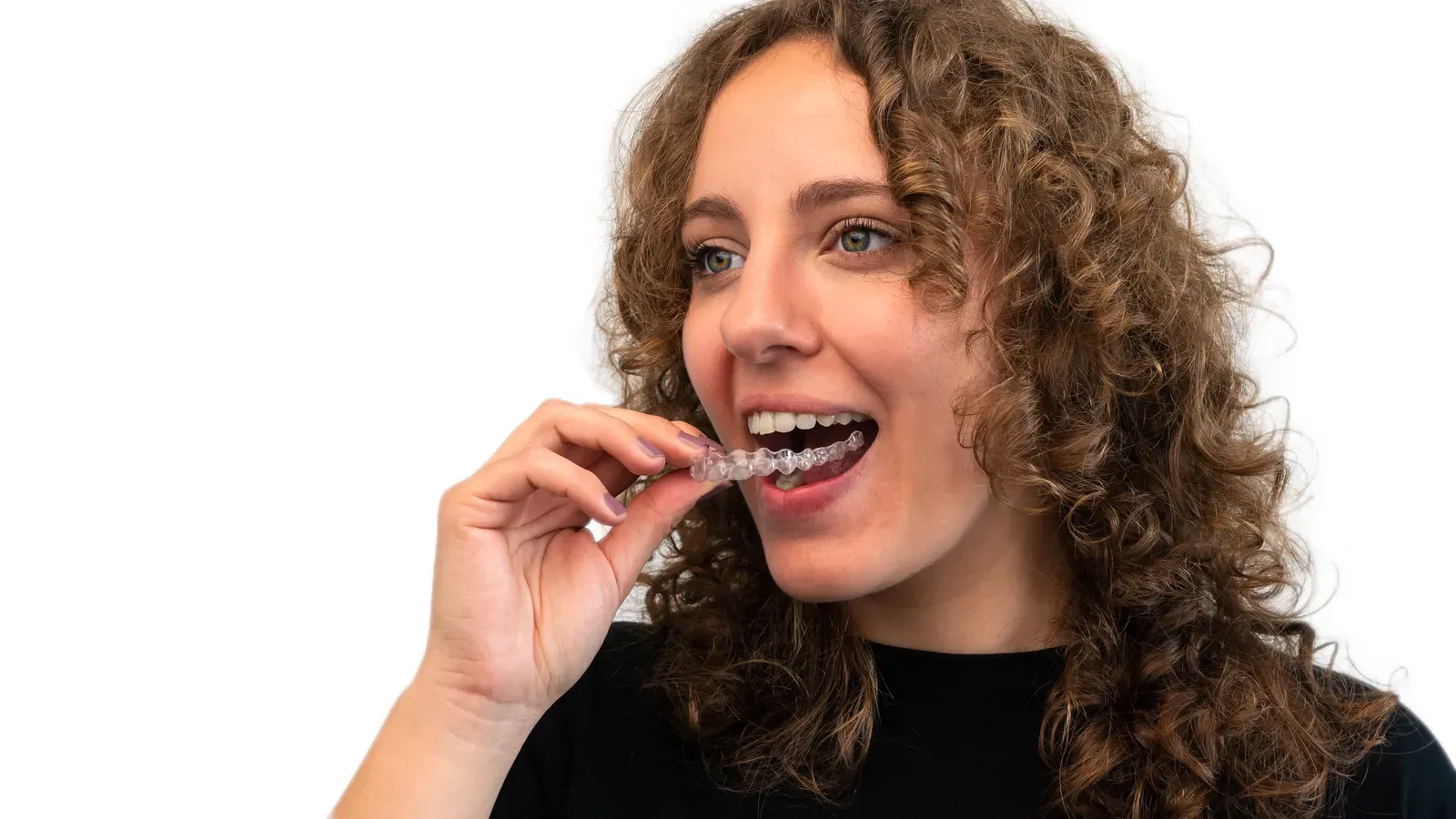
Few conversations in a dental office spark as much relief as the one where a parent learns their teenager doesn't have to live with a mouth full of metal for the next two years. Orthodontic treatment has changed dramatically over the past decade, and for teens who are self-conscious about their appearance, worried about playing sports with brackets, or simply want a treatment that fits their lifestyle, Invisalign for Teens has become one of the most requested options in our practice.
Unlike the one-size-fits-all image many people still have of orthodontics, Invisalign for Teens was specifically engineered with adolescent patients in mind. It accounts for the fact that teenage mouths are still developing, that compliance can be inconsistent, and that teens want a treatment that doesn't make them feel different from their peers. This guide walks through what the treatment actually involves, how it compares to traditional braces, and what parents and teens alike should know before starting the process.
If you're a parent trying to figure out the right path for your child's smile, or a teen doing your own research before that first consultation, this article covers the practical details you need: how the aligners work, what makes the teen-specific version different from standard Invisalign, how long treatment typically takes, and what day-to-day life looks like while wearing them.
How Invisalign for Teens Actually Works
Invisalign for Teens uses a series of clear, custom-made aligner trays that gradually shift teeth into their correct position. The process starts with a digital scan of your teen's mouth, which we use to map out a complete treatment plan before a single aligner is ever made. That scan allows us to show both you and your teen a simulation of how the smile will change over the course of treatment, which takes a lot of the guesswork and anxiety out of the process.
Each set of aligners is worn for roughly one to two weeks before being swapped out for the next in the series, with each new tray applying slightly more pressure to continue the movement. Because the aligners are made from smooth, BPA-free plastic, there's no metal rubbing against the cheeks or gums, and no tightening appointments involving wires and pliers. Most patients come in every six to eight weeks so we can check progress and hand over the next batch of trays.
For the treatment to work as planned, aligners need to be worn 20 to 22 hours a day, removed only for eating, drinking anything other than water, and brushing. This is where the teen-specific design features come into play, because the system was built around the reality that teenagers need both flexibility and a bit of accountability.
What Makes It Different From Regular Invisalign
Invisalign for Teens isn't simply the adult product sized down. It includes several design elements developed specifically to address the challenges that come with treating a younger, still-growing patient. These features help us track how consistently the aligners are being worn and build in some room for the natural ups and downs of adolescent dental development.
-
Compliance indicators: Small blue dots embedded in each aligner fade with wear, giving parents and our team an easy, objective way to confirm the trays are actually being worn enough each day.
-
Eruption tabs: Built-in space accommodates second molars that haven't fully come in yet, which is common for teenage patients who are still in a stage of dental growth.
-
Free replacement aligners: A set number of replacement trays is included at no extra cost, which matters because teens are statistically more likely to misplace an aligner than adult patients.
-
Digital tracking tools: Progress can be monitored between in-office visits, so our team can catch early signs that treatment isn't tracking as expected and adjust before it becomes a bigger issue.
Invisalign vs. Traditional Braces for Teens
Traditional metal braces remain an effective and sometimes necessary option, particularly for more complex bite corrections. But for a large percentage of teenage patients, clear aligners can achieve comparable results with a few meaningful practical advantages. Understanding the real differences, rather than the marketing version of either option, helps families make a decision based on what actually fits their child's situation.
With braces, brackets and wires are bonded directly to the teeth for the entire treatment period. That means certain foods are off-limits, including sticky candy, popcorn, and hard snacks, and oral hygiene becomes more labor-intensive since food particles get trapped around the hardware. Aligners, by contrast, come out completely for meals and brushing, so there's no change to what your teen can eat and no extra equipment needed to keep teeth clean.
There's also the matter of appearance and comfort. Braces can cause soreness from wires poking the inside of the cheeks, especially after adjustments, and some teens feel self-conscious about the visible metal during a period of life when social confidence matters a great deal. Clear aligners are far less noticeable and tend to cause less irritation, since there's no hardware rubbing against soft tissue. That said, braces don't rely on patient compliance the way aligners do, which is a genuine consideration for teens who might be tempted to skip wearing their trays.
What Daily Life Looks Like With Aligners
One of the biggest questions parents ask is how much Invisalign will actually change their teen's day-to-day routine. The honest answer is: less than most people expect, but it does require a bit of new discipline. Aligners need to come out before eating or drinking anything besides water, which means teens have to get into the habit of carrying their aligner case to school, practice, or a friend's house so they have somewhere safe to put the trays during lunch.
Brushing after meals before putting the aligners back in becomes part of the routine too, since trapping food particles against the teeth for hours can lead to decay. We generally recommend teens keep a small travel kit with a toothbrush, toothpaste, and their aligner case in their backpack so this doesn't feel like a disruption to their schedule.
For teens involved in sports, band, or other activities, aligners tend to be far more convenient than braces. There's no risk of a wire snapping during a game, and the smooth plastic doesn't interfere with wind instruments or mouthguards the way metal brackets sometimes can. Because the aligners are nearly invisible, many teens report feeling more comfortable in photos, at school events, and in everyday social situations throughout treatment, which can make a real difference during a stage of life when self-image matters so much.
How Long Does Treatment Usually Take?
Treatment length depends on how much correction is needed, but most teen cases fall somewhere between 12 and 24 months, which is broadly comparable to the timeline for traditional braces. Mild crowding or spacing issues can sometimes be resolved in under a year, while more involved bite corrections take closer to the two-year mark.
Consistency is the single biggest factor affecting how long treatment actually takes. Wearing the aligners for the full recommended 20 to 22 hours each day keeps the treatment on the schedule mapped out during the original digital plan. Skipping days or frequently forgetting to put aligners back in after meals can stretch treatment out considerably, sometimes requiring additional aligners to correct for lost progress.
We build regular check-in visits into every treatment plan specifically to catch these issues early. If a teen's teeth aren't tracking the way the digital plan predicted, we can adjust course well before it turns into a significant delay, which is one of the advantages of working with a dental team that monitors progress closely rather than just handing over a stack of trays and checking back months later.
Is Your Teen a Good Candidate?
Invisalign for Teens works well for a wide range of orthodontic issues, including crowding, gaps, mild to moderate bite misalignment, and crossbites. It's generally a strong fit for teens who have most of their permanent teeth in place, which is usually around age 12 or 13, though every mouth develops on its own timeline, and an in-person evaluation is the only reliable way to know for sure.
The honest consideration isn't just about tooth position, though. It's also about temperament. Aligner treatment asks more of the patient than braces do, since the teeth only move when the trays are actually being worn as directed. Teens who are reasonably organized, or who respond well to a bit of structure and accountability, tend to do very well with this approach. For teens who struggle with follow-through, we talk openly with families about whether aligners or braces make more sense, because the goal is a treatment plan that actually gets finished on schedule, not just one that looks appealing on paper.
During a consultation, we evaluate bite alignment, tooth spacing, jaw development, and overall oral health to determine whether Invisalign for Teens is a realistic option, or whether a different approach would serve your child better. There's no universal right answer here, which is exactly why a proper evaluation matters more than general research alone.
Key Takeaways
- Invisalign for Teens includes built-in features like compliance indicators and eruption tabs designed specifically for growing mouths.
- Aligners are nearly invisible, removable for meals, and generally more comfortable than traditional metal braces.
- Treatment typically takes 12 to 24 months and depends heavily on wearing aligners 20 to 22 hours daily.
- Success depends as much on a teen's consistency and responsibility as it does on the orthodontic issue being treated.
- A proper in-office evaluation is the best way to determine whether aligners or braces fit your teen's needs.
Frequently Asked Questions
Will my teen's insurance help cover Invisalign?
Many dental insurance plans that cover orthodontic treatment extend that coverage to Invisalign for Teens the same way they would traditional braces, since both are classified as orthodontic correction. Coverage amounts vary by plan, so we help families verify benefits and understand out-of-pocket costs before treatment begins.
What happens if my teen loses an aligner?
Invisalign for Teens includes a set number of free replacement aligners built into the treatment, recognizing that misplacing a tray is fairly common at this age. If a tray is lost, give our office a call right away so we can advise on next steps and keep treatment on schedule.
Does Invisalign hurt more or less than braces?
Both treatments involve some pressure and mild soreness as teeth shift, particularly right after a new aligner tray or a braces adjustment. Most patients find aligners more comfortable overall, since there's no metal hardware rubbing against the cheeks or gums.
Can Invisalign fix more serious bite problems?
Invisalign for Teens handles a broad range of cases, including moderate crowding, spacing, and certain bite misalignments, but some complex skeletal issues still respond better to traditional braces or a combination approach. This is exactly why we evaluate each teen individually rather than assuming one treatment fits everyone.
At what age can a teen start Invisalign treatment?
Most teens become candidates once their permanent teeth have largely come in, which is typically around age 12 or 13, though this varies from one patient to another. An evaluation at our office can confirm whether your teen's dental development is ready for treatment to begin.
Finding the Right Fit for Your Teen's Smile
Choosing an orthodontic treatment for your teenager is rarely just about moving teeth into better position. It's about finding an approach that fits their personality, their activities, and their confidence during years that can already feel complicated enough. Invisalign for Teens gives families a genuinely effective alternative to traditional braces, one that was built with the realities of adolescent life in mind rather than simply borrowed from adult treatment plans.
At In Smyle Dental, we walk every family through a full evaluation before recommending any treatment path, because the right choice depends on your teen's specific bite, growth stage, and daily habits. If you've been weighing the options and want a clear, honest assessment of whether Invisalign for Teens makes sense for your child, scheduling a consultation is the most straightforward way to get real answers tailored to your teen's smile.