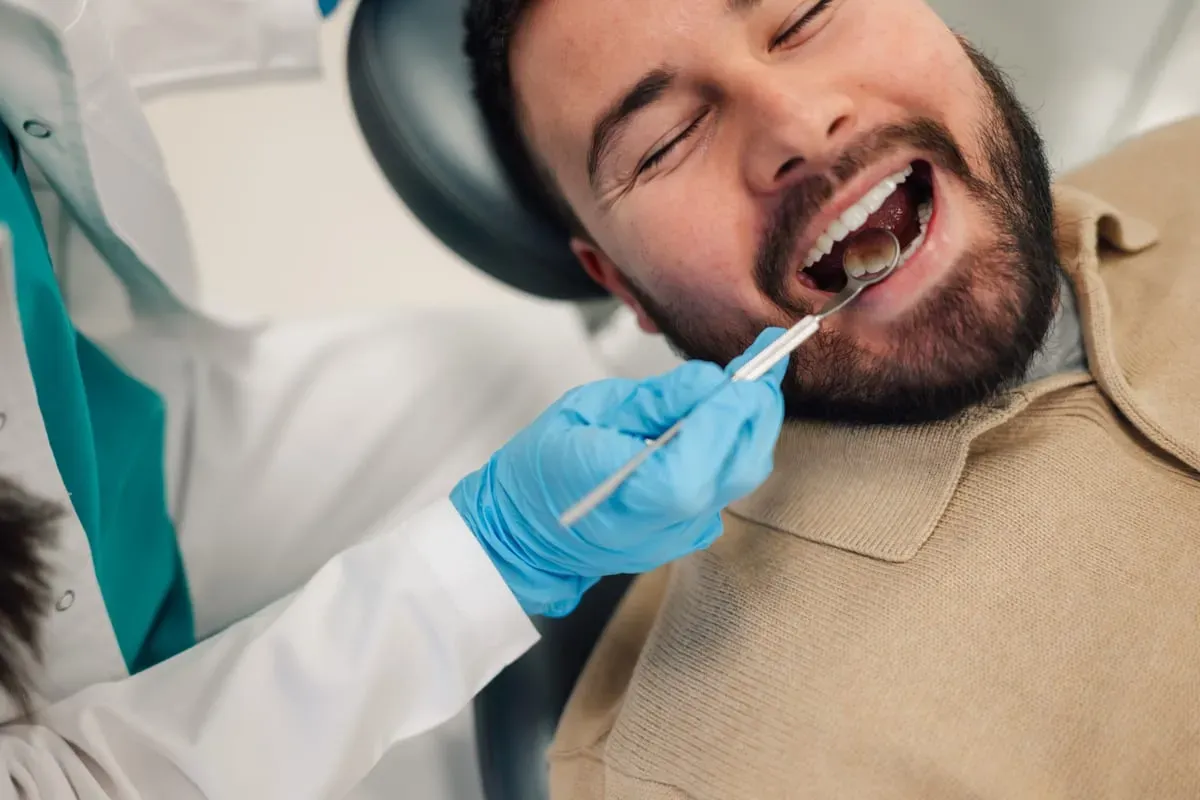
Most people think of the dentist's chair as a place you visit only when something hurts. In reality, general dentistry is the foundation of everything else that happens in your mouth, from a bright smile to comfortable chewing to a reduced risk of heart and gum disease. It's the quiet, consistent care that keeps small issues from becoming big, expensive ones.
At In Smyle Dental, we see general dentistry as a partnership rather than a one-time fix. Your teeth and gums change over time with age, diet, medication, and daily habits, which means the care you need at 25 looks different from the care you need at 55. Understanding what general dentistry actually covers helps you make informed decisions about your own health instead of just reacting when a problem shows up.
This article walks through the core services that fall under general dentistry, why consistent checkups matter more than most people realize, and how to recognize warning signs between visits. Whether you're due for a cleaning or simply curious about what your dentist is actually checking for, you'll find practical, straightforward answers below.
What Does General Dentistry Actually Include?
General dentistry is the broad category of everyday oral health services that focus on prevention, diagnosis, and treatment of common dental issues. Think of your general dentist as your primary care provider for your mouth. They're the first point of contact for nearly every dental concern, and they coordinate with specialists when something requires more focused treatment, such as orthodontics or oral surgery.
At its core, general dentistry is about maintaining the health you already have rather than waiting to repair damage after it occurs. That means regular exams, professional cleanings, X-rays to spot problems hidden below the surface, and simple restorative work like fillings when decay is caught early. It also includes patient education, which is an often-overlooked part of the job: a good dentist explains what's happening in your mouth so you understand your own risk factors.
- Routine exams and X-rays: These let your dentist track changes over time and catch decay or bone loss before you feel any pain.
- Professional cleanings: Hygienists remove plaque and tartar buildup that brushing and flossing at home simply can't reach.
- Fillings and basic restorations: Small cavities are treated quickly, often in a single visit, before they grow into something that needs a crown or root canal.
- Oral cancer screenings: A quick visual and physical check during routine visits can catch warning signs early, when treatment is most effective.
- Patient education: Guidance on brushing technique, diet, and habits that affect your teeth, tailored to your specific mouth and history.
How Often Should You Really See a Dentist?
The standard recommendation of a checkup and cleaning every six months isn't arbitrary. It's based on how quickly plaque hardens into tartar, which generally takes three to six months, and how long it typically takes early decay to progress to a point where it needs more invasive treatment. For most healthy adults, twice a year keeps problems manageable and keeps costs predictable.
That said, the six-month rule isn't universal. Some patients need more frequent visits, including those with a history of gum disease, a tendency toward cavities, dry mouth caused by medication, or chronic conditions like diabetes that affect healing and infection risk. Pregnant patients, smokers, and people with braces or other dental appliances often benefit from closer monitoring as well. On the other end, some patients with excellent oral health and low risk factors may be able to stretch visits slightly, though this should always be a conversation with your dentist rather than a decision made on your own.
The real value of consistent visits isn't just the cleaning itself. It's the continuity of care. When the same practice sees your mouth every six months, they build a baseline understanding of what's normal for you, which makes it far easier to spot subtle changes before they become real problems.
Catching Cavities and Gum Disease Before They Spread
Tooth decay and gum disease are the two conditions general dentistry is most focused on preventing, and both share a key feature: they're painless in their early stages. A small cavity doesn't hurt. Early gum inflammation, known as gingivitis, might cause slight bleeding when you floss, but it rarely causes discomfort. By the time either condition produces real pain, it has usually progressed significantly, which is exactly why routine exams matter so much.
Why Gum Health Deserves More Attention
Gum disease progresses in stages, starting with gingivitis and advancing to periodontitis if left untreated. Periodontitis involves the breakdown of the bone and connective tissue that hold your teeth in place, and it's a leading cause of adult tooth loss. Research has also linked chronic gum inflammation to cardiovascular disease, diabetes complications, and poor pregnancy outcomes, which is why your dentist checks gum pocket depth at nearly every visit, not just the condition of your teeth.
The good news is that both conditions are highly preventable and, when caught early, very manageable. A cavity found at its first stage might only need monitoring with fluoride treatment. A deeper cavity requires a filling, but it's still a straightforward, low-stress procedure. The earlier either condition is identified, the less invasive and less expensive the solution tends to be.
Common Procedures You Might Encounter
Beyond the standard exam and cleaning, general dentistry covers a range of procedures that most patients will need at some point. None of these are reserved for specialists; they're routine work performed in a general dental practice as part of everyday care.
Fillings remain the most common restorative procedure, used to repair teeth affected by decay. Modern fillings are typically made of tooth-colored composite resin, which bonds directly to the tooth and blends in naturally, a significant improvement over older metal amalgam fillings. Crowns are used when a tooth has more extensive damage, covering the entire visible portion to restore its strength and shape after a large filling, root canal, or fracture.
Root canal treatment, despite its reputation, is a routine procedure that relieves pain rather than causing it. It becomes necessary when decay or injury reaches the soft tissue inside a tooth, called the pulp, and the goal is to remove the infected tissue and save the natural tooth rather than extracting it. Extractions themselves are typically a last resort in general dentistry, reserved for teeth that are too damaged to restore, severely impacted, or causing crowding issues that require orthodontic planning.
Sealants and fluoride treatments round out the preventive side of general dentistry. Sealants are thin protective coatings applied to the chewing surfaces of molars, where deep grooves make brushing less effective, and they're especially valuable for children and teenagers whose permanent teeth are still new. Fluoride treatments strengthen enamel and help reverse very early decay before it becomes a cavity that needs a filling.
What Good Home Care Looks Like Between Visits
Professional dental care only accounts for a few hours of your oral health each year. The other 8,760 hours come down to what you do at home, which is why your daily routine matters as much as, if not more than, your twice-yearly checkup. Good home care doesn't need to be complicated, but it does need to be consistent.
- Brush twice daily for two full minutes: Use a soft-bristled brush and fluoride toothpaste, angling bristles toward the gumline to clear away plaque along the edge of your teeth.
- Floss once a day: Brushing alone misses roughly a third of your tooth surfaces, particularly the tight contact points between teeth where cavities often start.
- Limit sugary and acidic foods: Frequent snacking on sugar feeds the bacteria that cause decay, while acidic drinks gradually soften and wear down enamel over time.
- Stay hydrated: Saliva naturally washes away food particles and neutralizes acid, so a dry mouth is more vulnerable to decay and gum irritation.
- Avoid tobacco products: Smoking and vaping significantly raise the risk of gum disease, tooth loss, and oral cancer, and they slow healing after any dental procedure.
Signs You Shouldn't Wait for Your Next Appointment
Not every dental concern can wait six months for your next scheduled cleaning. Certain symptoms suggest something is actively progressing and deserves attention sooner rather than later. Persistent tooth pain, especially pain that wakes you up at night or worsens with hot and cold temperatures, usually signals that decay has reached the inner layers of the tooth. Swelling in the face, jaw, or gums, particularly if it's accompanied by fever, can indicate an infection that needs prompt treatment.
Other signs worth acting on quickly include a cracked or chipped tooth, a filling or crown that has fallen out, gums that bleed heavily or consistently, or a sore in your mouth that hasn't healed after two weeks. None of these need to turn into an emergency room visit, but they do need a dental appointment rather than a wait-and-see approach. Catching these issues early almost always means a simpler, less costly fix.
Key Takeaways
- General dentistry covers exams, cleanings, X-rays, fillings, and preventive treatments that keep small problems from becoming big ones.
- Twice-yearly checkups are the standard, though some patients need more frequent visits based on individual risk factors.
- Cavities and gum disease are painless in their early stages, which is why regular screening matters more than reacting to symptoms.
- Daily brushing, flossing, and a mindful diet do far more for your long-term oral health than any single dental visit.
- Persistent pain, swelling, or a tooth that breaks shouldn't wait until your next scheduled appointment.
Frequently Asked Questions
Does general dentistry include teeth whitening or cosmetic work?
Not typically. General dentistry focuses on prevention, diagnosis, and restoration of function, such as cleanings, fillings, and gum care. Cosmetic treatments like whitening or veneers fall under cosmetic dentistry, though many general dentists offer both as part of a comprehensive practice.
Are dental X-rays necessary at every visit?
Not every visit requires new X-rays. Most dentists recommend them once a year for routine monitoring, though the exact frequency depends on your individual risk for decay, your dental history, and whether you have any symptoms that need closer investigation.
What's the difference between a general dentist and a specialist?
A general dentist handles the full range of everyday oral health needs and serves as your primary point of contact. Specialists, such as orthodontists, periodontists, or oral surgeons, receive additional training in a specific area and typically see patients on referral from a general dentist for more complex cases.
Can children see the same general dentist as adults?
Many general dentists treat patients of all ages, including children, and can handle routine pediatric care like sealants, fluoride treatments, and early orthodontic monitoring. Children with more complex needs are sometimes referred to a pediatric dentist, who specializes in treating younger patients.
Is it normal for gums to bleed a little during flossing?
Occasional light bleeding when you first start flossing regularly can be normal as your gums adjust. However, consistent bleeding over several days or weeks is usually a sign of gum inflammation and should be checked during your next appointment rather than ignored.
Building a Foundation for Lifelong Oral Health
General dentistry isn't glamorous, and it doesn't come with the dramatic before-and-after photos that cosmetic treatments do. What it offers instead is quiet, measurable protection: fewer emergencies, less pain, and a mouth that functions well for decades rather than one that needs constant repair. The patients who fare best over the long run are usually the ones who treat their twice-yearly visits as non-negotiable, not optional.
If it's been longer than six months since your last cleaning, or if something in your mouth has felt off lately, that's reason enough to get it looked at. Prevention is almost always simpler and less costly than treatment, and a short conversation with your dentist now can save you a much longer one later.