A chipped molar, a root canal that needs a crown, or a gap left behind by a missing tooth-these are the moments when restorative dentistry stops being an abstract term and becomes a real decision you have to make. Most patients who sit in our chairs facing this choice have never had to think about the difference between a crown, a bridge, and an implant before, and the amount of information out there can feel overwhelming rather than helpful.
The truth is that each of these treatments solves a slightly different problem, and the "best" option depends on your bite, your bone health, your budget, and what you want your smile to do for the next ten or twenty years. This guide breaks down how crowns, bridges, and implants actually work, how they compare on durability and cost, and what questions to bring to your next appointment so you can make a confident, informed decision rather than a rushed one.
We also want this to be a resource you can return to. Whether you are weighing your first restorative procedure or trying to understand why your dentist recommended one option over another, our goal is to give you the kind of plain-language explanation we would give a family member sitting across from us in the clinic.
Understanding Dental Crowns and When You Need One
A dental crown is essentially a custom-made cap that covers an entire tooth, restoring its shape, strength, and function after damage or significant decay. Crowns are one of the most common restorative treatments because they solve such a wide range of problems-a tooth that has lost too much structure for a filling, a tooth following a root canal procedure, or a tooth that has cracked under years of grinding pressure.
Traditionally, getting a crown meant two separate visits: one to prepare the tooth and take an impression, and a second a few weeks later to bond the finished crown in place. Advances in digital scanning and milling technology have changed that for many patients. At In Smyle Dental, we offer same day crowns for eligible cases, meaning you can walk in with a damaged tooth and leave the same afternoon with a permanent, natural-looking restoration.
Crowns are typically made from porcelain, zirconia, or a porcelain-fused-to-metal blend, and the material choice affects both appearance and strength. Back molars that handle heavy chewing forces often do best with zirconia, while front teeth usually benefit from all-porcelain crowns that mimic the natural translucency of enamel. A well-fitted crown, properly cared for, commonly lasts 10 to 15 years or longer.
Dental Bridges: Filling the Gap Without Surgery
When a tooth is missing entirely, the space it leaves behind does more damage than most people expect. Neighboring teeth begin to drift into the gap, your bite shifts to compensate, and chewing efficiency on that side of your mouth drops noticeably. A dental bridge addresses this by anchoring a replacement tooth to the healthy teeth on either side of the gap, literally bridging the space.
The traditional approach involves placing crowns on the two teeth bordering the gap and fusing a false tooth, called a pontic, between them. Because the procedure does not require surgery or a healing period for bone integration, many patients complete treatment in just two or three appointments, making it a practical option for those who want a quicker path to a full smile.
Who Tends to Benefit Most
Bridges work particularly well when the teeth adjacent to the gap already need crowns due to decay or old fillings, since the restoration effectively solves two problems at once. They are also a sensible choice for patients who are not candidates for implant surgery due to bone density concerns, certain medical conditions, or a preference to avoid a surgical procedure altogether.
Dental Implants: A Long-Term Foundation
A dental implant is a small titanium post surgically placed into the jawbone, where it functions as an artificial tooth root. Over several months, the bone fuses to the implant in a process called osseointegration, creating a remarkably stable foundation for a crown, bridge, or denture attached on top. Unlike a bridge, an implant does not rely on neighboring teeth for support, which means those teeth are left untouched and unaltered.
This stability is the main reason implants are often described as the closest thing to a natural tooth. Because the implant stimulates the jawbone the same way a natural root does, it also helps prevent the bone loss that typically occurs in the area beneath a missing tooth over time. Patients frequently report that implants feel and function so naturally that they forget which tooth was replaced.
- Single-tooth replacement: One implant and crown can replace a single missing tooth without affecting any surrounding teeth.
- Implant-supported bridges: Two or more implants can anchor a bridge across several missing teeth, avoiding reliance on natural teeth entirely.
- Implant-retained dentures: A small number of implants can stabilize a full arch of dentures, eliminating the slipping and discomfort of traditional removable dentures.
The trade-off is time and candidacy. Implant treatment takes several months from placement to final crown, and it requires sufficient healthy jawbone. For patients who have experienced significant bone loss, we can often discuss bone grafting or alternative restorative solutions during a consultation.
Comparing Durability, Maintenance and Cost
Cost is usually the first question patients ask, and understandably so, but it is worth thinking about cost alongside lifespan rather than as a standalone number. A bridge typically costs less upfront than an implant, but it may need to be replaced or adjusted after 10 to 15 years, especially if decay develops under the supporting crowns. An implant has a higher initial investment because it involves a surgical phase, yet the implant post itself can last a lifetime with proper care, meaning only the crown on top may ever need replacement.
Maintenance also differs meaningfully between the two. Bridges require extra diligence with flossing, since you need to clean underneath the pontic using a floss threader or water flosser to prevent gum irritation and decay around the supporting teeth. Implants are cared for essentially like natural teeth-regular brushing, flossing, and checkups-without any special techniques required, which many patients find simpler over the long run.
Crowns, whether standing alone or as part of a bridge, depend heavily on the health of the tooth underneath. A crown on a tooth with a strong, healthy root can last well over a decade, while a crown placed on a tooth with underlying issues may need attention sooner. This is why we always evaluate the condition of the entire tooth, not just the visible portion, before recommending a restoration.
How We Help You Choose the Right Option
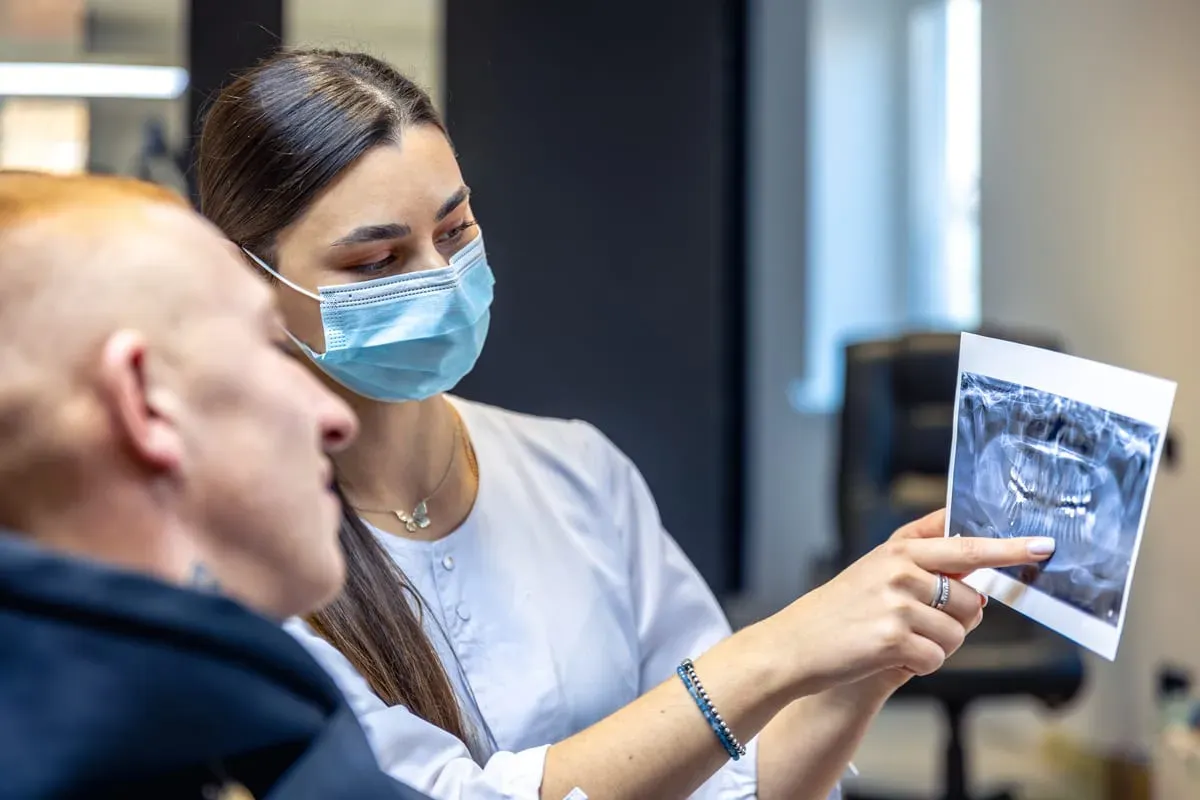
No two mouths are identical, and the right restorative plan depends on factors that go beyond what is visible to the naked eye. During a consultation, we review your dental X-rays, assess bone density where relevant, check your bite alignment, and talk through your daily habits, including whether you grind your teeth at night, which can influence material choice and long-term success.
We also take your lifestyle and preferences seriously. Some patients want the fastest possible fix and are comfortable with a bridge, while others are planning years ahead and prefer to invest in an implant's longevity from the start. If grinding or clenching is part of your history, we may also discuss bruxism treatments alongside your restoration to protect your investment, since untreated grinding can shorten the lifespan of even a well-made crown or bridge.
For patients managing multiple damaged or missing teeth, treatment is rarely one-size-fits-all. We often combine approaches-an implant here, a crown there, perhaps inlays or onlays for teeth with moderate damage that doesn't warrant a full crown-to create a plan that balances cost, durability, and your long-term oral health goals.
What to Expect After Your Restoration
Recovery and adjustment periods vary by treatment type, and knowing what is normal helps ease any anxiety about the process. After a crown or bridge placement, mild sensitivity to hot or cold is common for a few days as the tooth and surrounding tissue settle, but this typically fades quickly. Your bite may feel slightly different at first, and if anything feels off after a day or two, it's worth a quick follow-up visit so we can make a small adjustment.
Implant patients should expect a longer timeline, with some swelling and tenderness around the surgical site in the first week, followed by a healing period before the final crown is attached. We provide clear aftercare instructions for each phase, and most patients return to normal eating and speaking well before the implant has fully integrated with the bone.
Regardless of which restoration you choose, routine checkups remain essential. We monitor the fit and condition of crowns and bridges at every visit and check implant stability as part of your regular care, catching small issues before they become expensive problems down the road.
Key Takeaways
- Crowns repair and strengthen a single damaged tooth, and same-day options can eliminate the wait for a lab-made restoration.
- Bridges replace missing teeth using neighboring teeth for support and typically require no surgery.
- Implants offer the longest-lasting, most natural-feeling replacement but involve surgery and a longer treatment timeline.
- Cost should be weighed against lifespan and maintenance, not viewed as an isolated upfront figure.
- A proper evaluation, including bone health and bite assessment, is the only reliable way to determine the right option for you.
Frequently Asked Questions
Is a crown or a bridge better for a single missing tooth?
A crown is used to restore a tooth that is still present but damaged, while a bridge replaces a tooth that is completely missing. If the tooth is gone, a bridge or implant is the appropriate solution; a crown alone cannot fill an empty space.
How long does the dental implant process take from start to finish?
Most implant treatments take three to six months total, accounting for surgical placement, bone integration, and the final crown fitting. Some straightforward cases move faster, while cases requiring bone grafting may take longer.
Will dental insurance cover crowns, bridges, or implants?
Coverage varies widely by plan and provider. Many plans partially cover crowns and bridges as restorative procedures, while implant coverage is more variable. Our team can help verify your benefits and walk through payment options before treatment begins.
Can a damaged tooth under a crown still get a cavity?
Yes. A crown covers the visible tooth but decay can still develop at the margin where the crown meets the gumline if plaque builds up. Consistent brushing, flossing, and regular checkups remain essential even after a crown is placed.
What happens if I ignore a missing tooth instead of replacing it?
Leaving a gap unaddressed often leads to shifting teeth, bite misalignment, jawbone loss in that area, and added strain on remaining teeth. Addressing it earlier with a bridge or implant is usually simpler and less costly than correcting the complications later.
Finding the Right Fit for Your Smile
Crowns, bridges, and implants each have a clear place in restorative dentistry, and the right choice comes down to your specific tooth, your bone health, and what you value most, whether that's speed, cost, or long-term durability. None of these options is universally "better"-they are tools suited to different situations, and the goal is matching the right tool to your mouth.
If you are dealing with a damaged or missing tooth and aren't sure which direction makes sense, a thorough evaluation with our restorative dentistry team is the clearest way forward. We'll look at your full oral health picture, explain your options honestly, and help you choose a solution you'll feel good about for years to come.