Losing a tooth changes more than your smile. It can shift the way you bite, the way neighboring teeth sit in your jaw, and even the shape of your face over time. For many patients, the gap left behind is the first thing they notice in photos and the last thing they want to talk about at a dinner table. The good news is that modern dentistry offers a well-tested, time-honored solution that has helped people chew comfortably and smile confidently for decades: the dental bridge.
A dental bridge does exactly what its name suggests - it bridges the gap created by one or more missing teeth, anchoring a replacement tooth (or teeth) to the healthy teeth or implants on either side. It's a restoration that has stood the test of time precisely because it works: it's sturdy, it looks natural, and it restores function without requiring surgery in most cases.
In this article, we'll walk through how dental bridges work, the different types available, what the procedure actually involves, and how to know whether a bridge is the right path for your situation. Whether you're missing one tooth or several, understanding your options is the first step toward making a confident decision about your oral health.
How a Dental Bridge Restores Your Smile
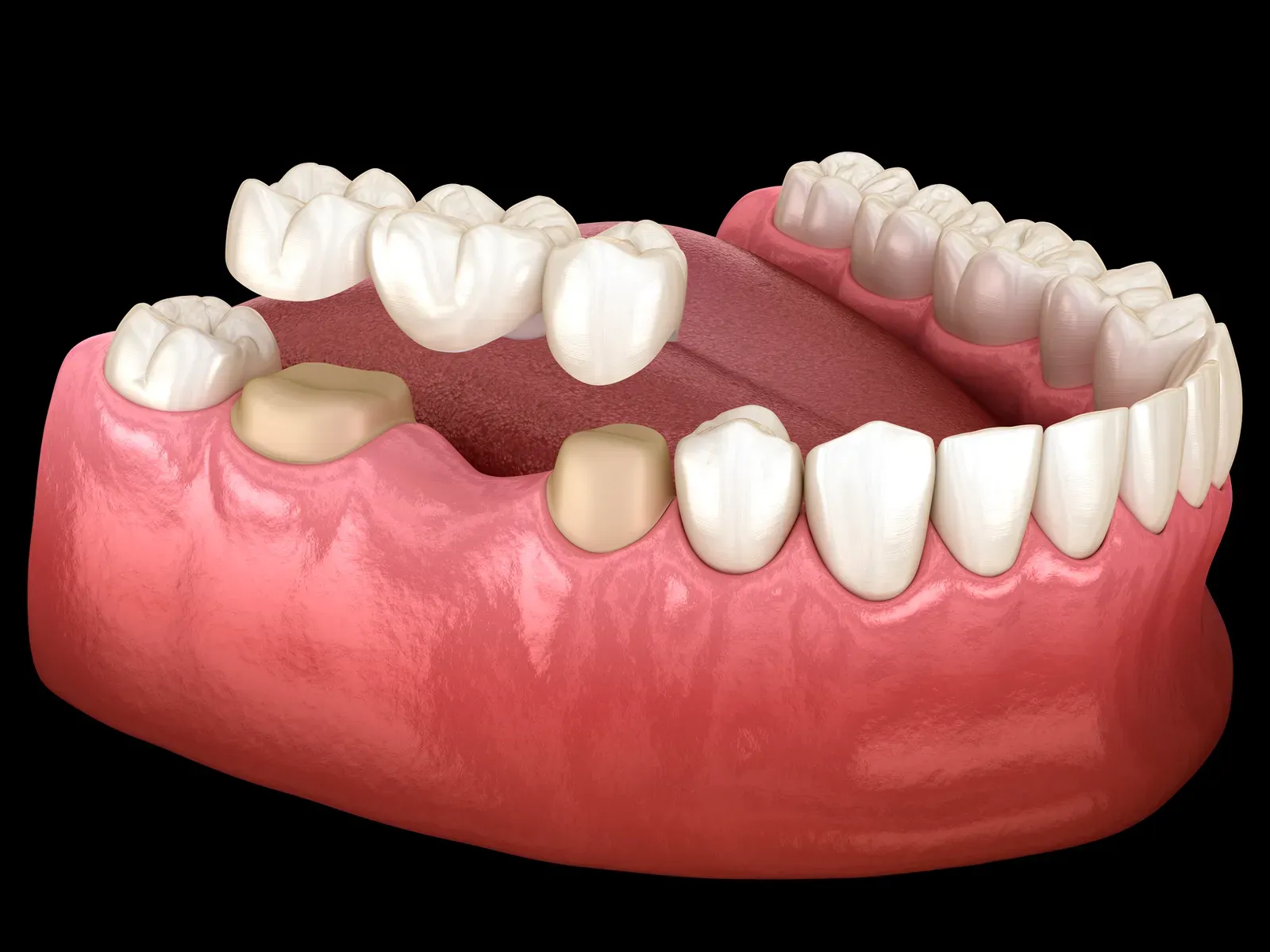
A dental bridge is a fixed restoration made up of two main parts: the pontic, which is the artificial tooth that fills the gap, and the abutments, which are the crowns placed over the teeth (or implants) on either side of the space. Together, these pieces are fused into a single unit that's cemented into place, so unlike a removable partial denture, a bridge doesn't come out for cleaning. It stays put, functioning much like your natural teeth did before they were lost.
The reason bridges matter goes well beyond cosmetics. When a tooth is missing, the teeth around it tend to drift into the open space over months and years, which can throw off your bite alignment and put uneven stress on your jaw joint. The opposing tooth in the other arch can also over-erupt since it no longer meets resistance. A bridge prevents this chain reaction by holding the space open and distributing your bite forces the way nature intended.
There's also a quieter benefit that patients often mention after treatment: the return of normal speech and confident chewing. Gaps between teeth, especially toward the front of the mouth, can affect how certain sounds form. Filling that space with a well-fitted bridge restores both clarity of speech and the ability to eat a full range of foods without hesitation.
The Different Types of Dental Bridges
Not every bridge is built the same way, and the right type for you depends on where the gap is located, how many teeth are missing, and the condition of the surrounding teeth. During your evaluation, our team will walk you through which design fits your particular case best.
-
Traditional Bridge:
The most common type, this design uses a crown on each natural tooth bordering the gap to anchor the pontic in between. It's strong, reliable, and well-suited to replacing one or two missing teeth in a row.
-
Cantilever Bridge:
Used when there's only one healthy tooth next to the gap rather than teeth on both sides, this design anchors the pontic to a single abutment. It's less common today but still useful in specific situations.
-
Maryland Bridge:
This conservative option uses a metal or porcelain framework bonded to the back of the adjacent teeth instead of full crowns, preserving more of your natural tooth structure. It's often chosen for front teeth where visible metal clasps would be a concern.
-
Implant-Supported Bridge:
Rather than relying on natural teeth for support, this bridge is anchored to dental implants placed in the jawbone. It's typically recommended when several consecutive teeth are missing and the neighboring teeth shouldn't be altered to serve as abutments.
Who's a Good Candidate for a Bridge?
Most adults who are missing one or more teeth and have healthy teeth or a stable jawbone to anchor the restoration are reasonable candidates for a bridge. What matters most is the condition of the teeth adjacent to the gap. If those teeth are already compromised by large fillings, cracks, or previous root canal treatment, they may actually benefit from being crowned anyway, which makes a traditional bridge an efficient two-in-one solution.
On the other hand, if the surrounding teeth are in excellent condition with no prior dental work, some patients prefer to preserve that healthy structure and consider an implant-supported option instead, since it doesn't require reshaping neighboring teeth at all. Gum health matters too. Active gum disease needs to be treated and stabilized before any fixed restoration is placed, because a bridge depends on a solid, healthy foundation to succeed long-term.
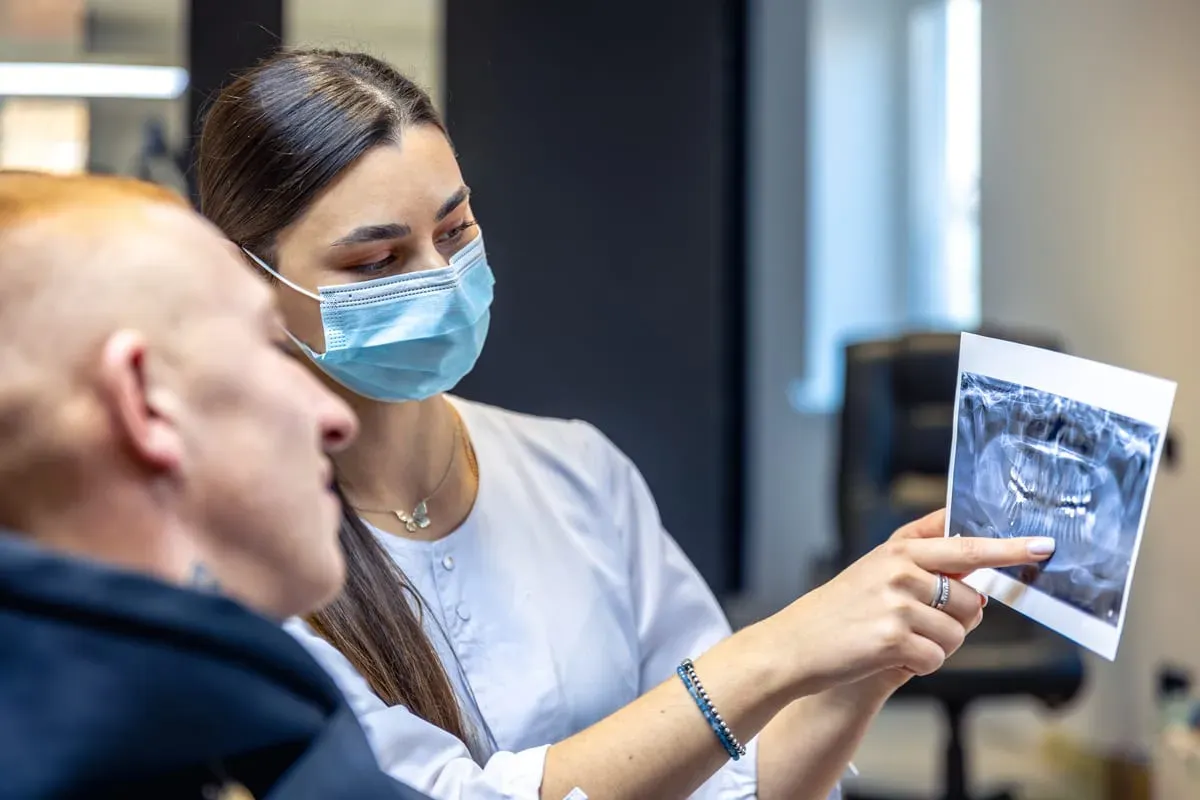
We also look closely at your bite pattern, grinding habits, and overall oral hygiene routine. Patients who grind or clench their teeth at night may need a nightguard alongside their bridge to protect the investment, which is something we'll discuss as part of your restorative dentistry plan. A thorough exam, including X-rays, gives us the full picture before recommending any specific design.
What Happens During the Procedure
Getting a dental bridge typically takes place over two visits, though the exact number can vary based on your case. At the first appointment, the abutment teeth are prepared by removing a thin layer of enamel so the crowns will fit properly. We then take precise impressions or digital scans of your teeth, which are sent to a dental laboratory where your custom bridge is crafted to match the size, shape, and shade of your natural teeth.
While your permanent bridge is being made, you'll wear a temporary bridge to protect the prepared teeth and maintain normal function in the meantime. Most patients find this period comfortable, with only mild sensitivity to temperature that fades quickly. For patients who feel anxious about dental procedures, we also offer sedation dentistry to make the visit more relaxed.
At your second visit, the temporary bridge is removed and the permanent one is checked carefully for fit, bite alignment, and appearance before it's permanently cemented into place. We'll make small adjustments as needed so your bite feels even and natural. In certain straightforward cases, advances in digital technology now allow some restorations to be completed in a single visit, similar to the approach used for our same-day crowns.
Caring for Your Bridge Long-Term
A well-made dental bridge can last anywhere from 10 to 15 years, and often longer, with the right care. Because the pontic sits just above the gum line without a root of its own, the area underneath needs special attention during cleaning. A regular toothbrush alone won't reach beneath the bridge, so we'll show you how to use a floss threader, water flosser, or interdental brush to keep that space free of plaque and food debris.
The health of the abutment teeth is just as important as the bridge itself, since decay or gum disease affecting those supporting teeth can compromise the whole restoration. This is why routine checkups matter so much after getting a bridge. During your regular visits, we check the margins where the crown meets the tooth, monitor the bite, and catch small issues before they turn into bigger, more costly repairs.
Diet generally doesn't need major changes once your bridge has settled in, though it's wise to avoid biting down directly on very hard foods like ice or hard candy, which can chip porcelain or stress the cement bond over time. Patients who tend to grind their teeth should also keep up with a nightguard, since consistent nighttime pressure is one of the more common reasons a bridge eventually needs replacement ahead of schedule.
Bridge or Implant: Which Makes More Sense?
This is one of the most common questions we hear, and honestly, there isn't a single right answer for everyone. Both options are excellent, durable ways to replace missing teeth, and the better choice usually comes down to your oral health, timeline, and personal preference rather than one being universally superior to the other.
A traditional bridge tends to be faster to complete, since it doesn't involve a surgical healing period, and it can be a practical choice when the neighboring teeth already need crowns. An implant, by contrast, doesn't require any alteration of adjacent healthy teeth and tends to help preserve jawbone density over time, since it replaces the tooth root itself rather than just the visible crown. The tradeoff is a longer overall treatment timeline, as the implant needs time to integrate with the bone before the final restoration is attached.
If you're missing several teeth in a row, or if you're also weighing other restorative options such as dentures for a larger area of tooth loss, it's worth having a full conversation with our team about which combination of treatments fits your goals, budget, and timeline. We'll walk through the pros and cons honestly rather than pushing you toward any one option.
Key Takeaways
A dental bridge replaces missing teeth by anchoring a false tooth to crowns on neighboring teeth or to implants.
Leaving a gap unaddressed can cause surrounding teeth to shift and disrupt your bite over time.
Several bridge designs exist - traditional, cantilever, Maryland, and implant-supported - each suited to different situations.
With consistent cleaning and regular checkups, a bridge can comfortably last 10 to 15 years or more.
Choosing between a bridge and an implant depends on your bone health, timeline, and the condition of nearby teeth.
Frequently Asked Questions
Does getting a dental bridge hurt?
Most patients report little to no discomfort during the procedure itself, since the area is numbed with local anesthetic before the teeth are prepared. You may notice mild sensitivity to hot or cold for a few days afterward, which typically resolves on its own as the teeth adjust to the new crowns.
How long does it take to get used to wearing a bridge?
Most people adapt within a couple of weeks. Early on, you might notice a slight awkwardness when biting or speaking, but once your tongue and cheek muscles adjust to the new shape, chewing and talking will feel natural again.
Will my dental insurance cover a bridge?
Many dental insurance plans provide partial coverage for bridges since they're considered a medically necessary restoration rather than a purely cosmetic one. Coverage amounts vary widely by plan, so our office will help you understand your benefits and discuss payment options before treatment begins.
Can a bridge be replaced if it eventually wears out?
Yes. When a bridge reaches the end of its lifespan, it can generally be removed and replaced with a new one, as long as the abutment teeth remain healthy enough to support it. If those teeth have declined significantly, we may discuss alternative options at that point, including implant-supported restorations.
What's the difference between a bridge and a partial denture?
A bridge is permanently cemented in place and isn't removed for cleaning, while a partial denture is a removable appliance you take out at night. Bridges tend to feel more like natural teeth day to day, while partial dentures can be a more budget-friendly option for replacing several teeth at once.
Finding the Right Fit for Your Smile
A missing tooth doesn't have to mean a lifetime of avoiding photos or steering around certain foods. Dental bridges offer a proven, comfortable way to restore both the look and function of your smile, and for many patients, they're a straightforward solution that doesn't involve the longer healing timeline of implant surgery. Understanding how bridges work, which type suits your situation, and what long-term care looks like puts you in a much better position to make a decision you'll feel good about for years to come.
Every mouth is different, and the right restoration depends on details that are best assessed in person - the condition of your remaining teeth, your bone health, and your overall goals for your smile. Our team at In Smyle Dental is happy to walk through your options honestly and help you find the path that fits your life, your budget, and your long-term oral health.